

Revolutionizing Pipelines: How HDPE Pipe Fusion Machines Are Redefining Construction Standards
In the world of modern infrastructure, the integrity of a pipeline is paramount. For decades, engineers and contractors have sought a joining method that eliminates the traditional weak points found in mechanical or bell-and-spigot joints. The answer has arrived in the form of High-Density Polyethylene (HDPE) and the revolutionary process of butt fusion. HDPE pipe fusion machines are not just tools; they are the key to creating seamless, monolithic pipelines that offer unparalleled strength, longevity, and cost-effectiveness, fundamentally changing the standards of pipeline construction.
What is HDPE Butt Fusion? A Foundational Overview
HDPE butt fusion is a thermofusion process that joins two pieces of HDPE pipe or fittings together. The procedure involves heating the ends of the two components to a precise molten temperature and then pressing them together under controlled pressure. As the material cools, the polymer chains from each piece intermingle, creating a permanent, homogeneous bond. The resulting joint is not just a connection; it is a continuation of the pipe itself, possessing the same strength and characteristics as the parent material. This process eliminates the need for gaskets, bolts, or extra materials that can degrade over time, creating a truly leak-proof system.
The Anatomy of an HDPE Pipe Fusion Machine
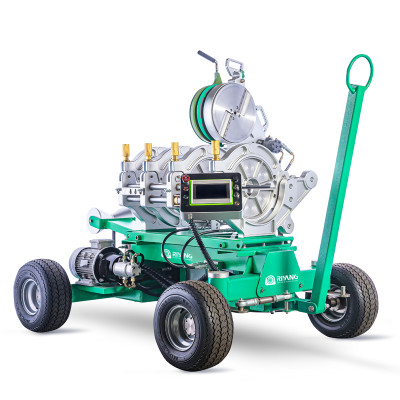
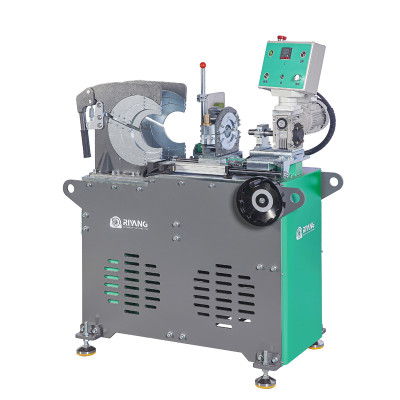
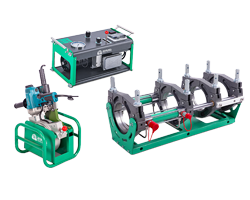
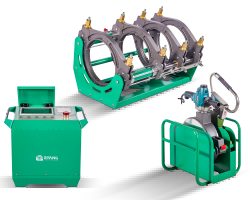
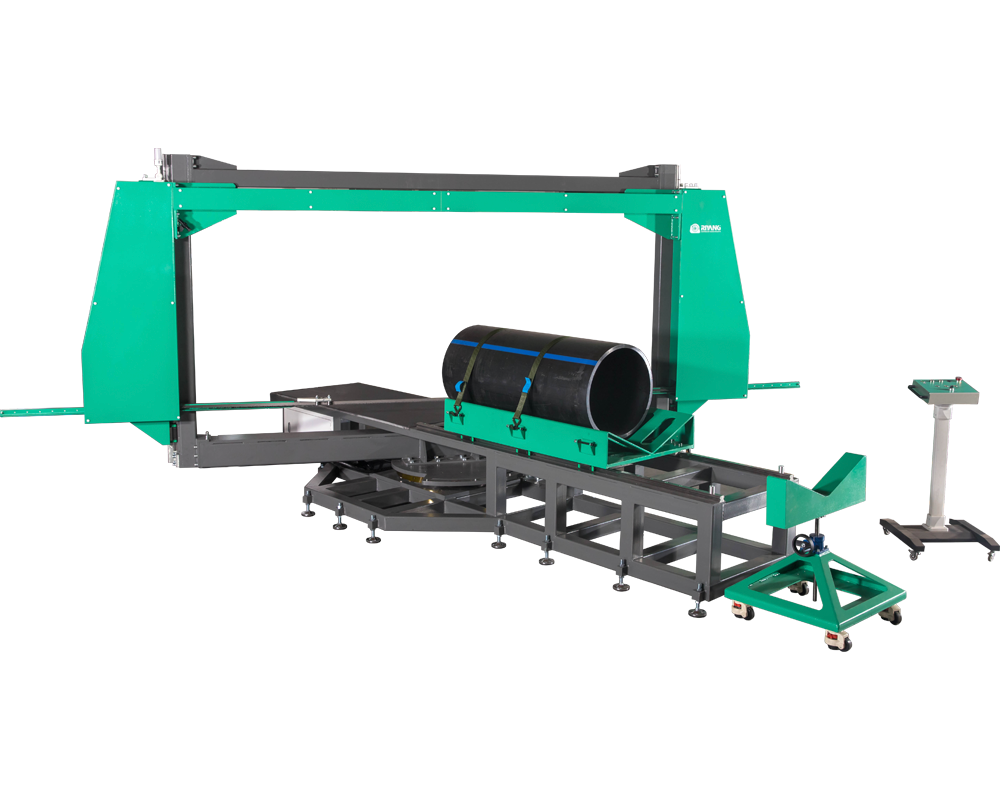
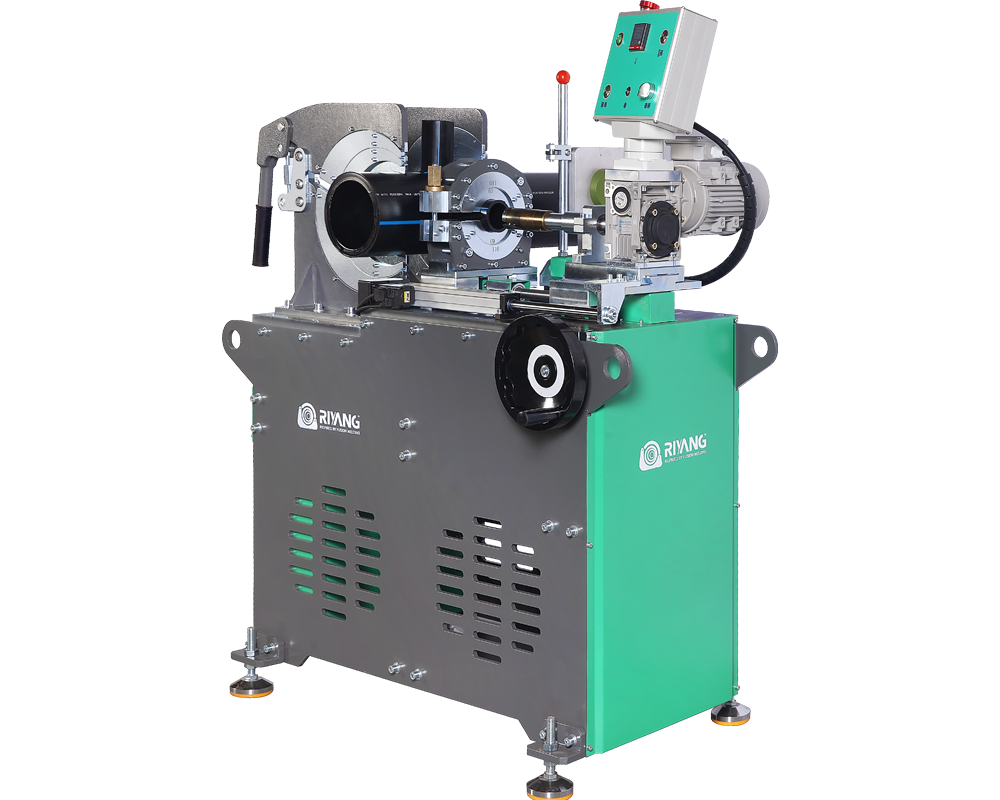
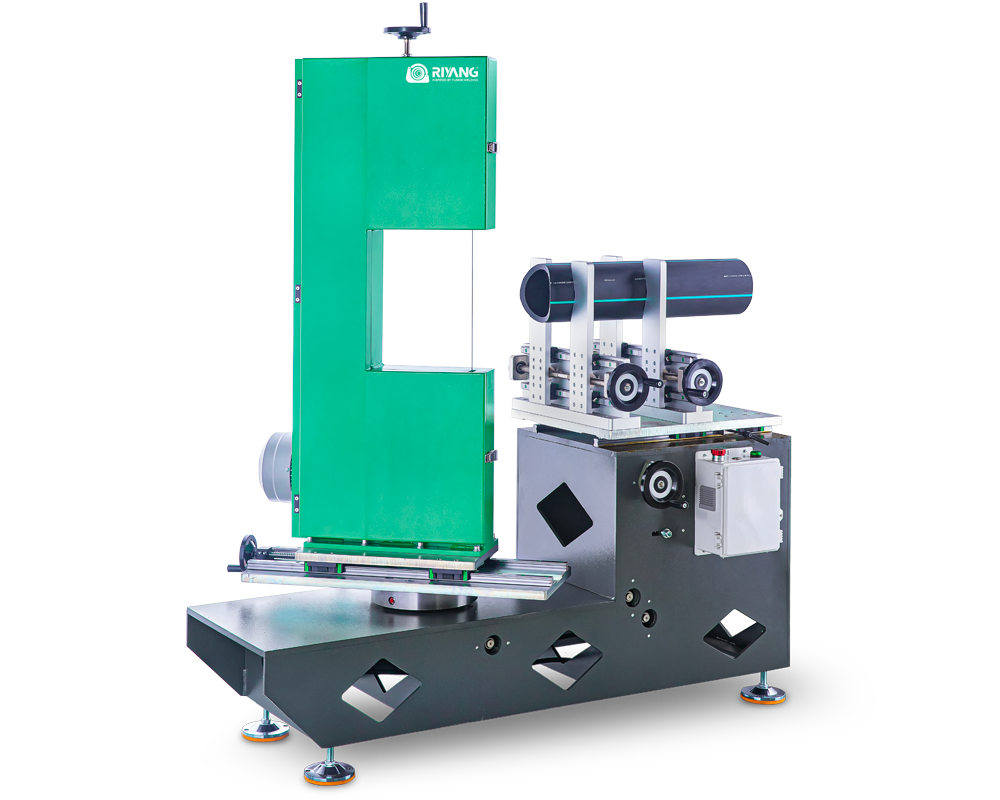
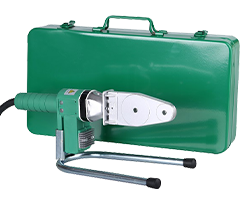
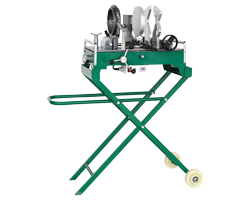
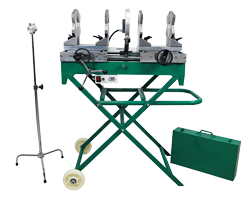
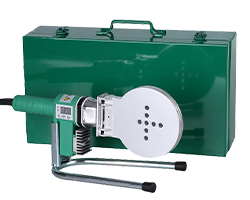
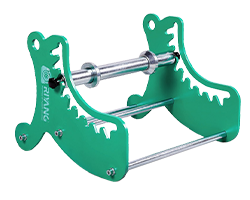
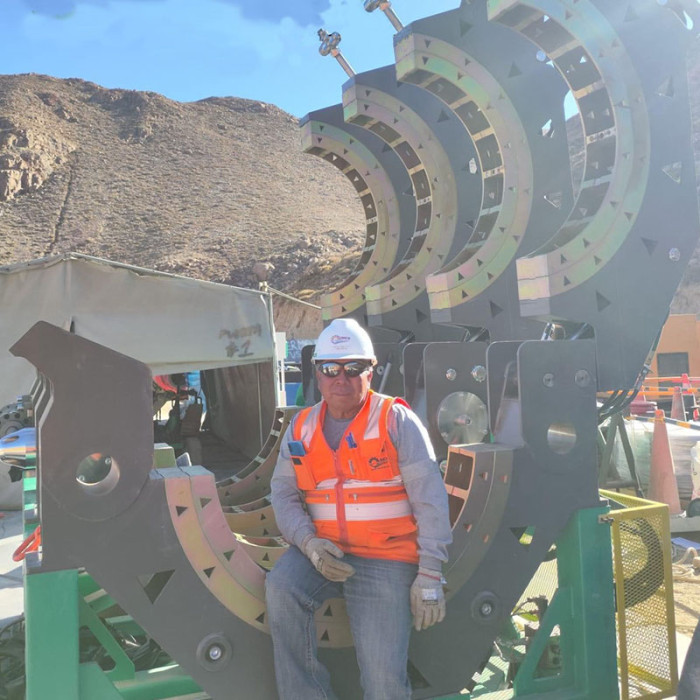
At the heart of this process is the butt fusion machine. While designs vary, most machines consist of several key components:
- The Chassis: A robust framework that holds the pipe clamps in perfect alignment.
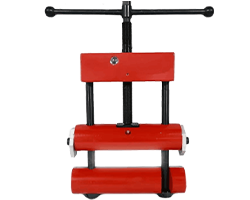
- Clamps: Hydraulic or manually operated clamps that securely grip the pipe and fittings, preventing any movement during the fusion cycle.
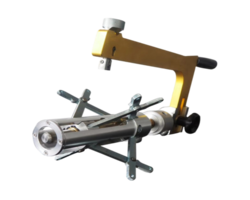
- The Facer: A rotary cutting tool that shaves the pipe ends to create perfectly clean, parallel, and smooth surfaces, which are essential for a quality weld.
- The Heater Plate: An electrically heated, temperature-controlled plate with non-stick surfaces that melts the pipe ends to the precise fusion temperature.
- Hydraulic/Control Unit: This unit drives the clamps and applies the exact pressure required during both the heating and cooling phases of the cycle.
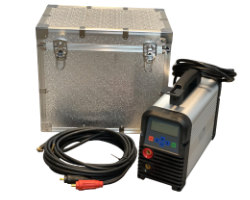
Modern machines often include data logging capabilities to record every parameter of the weld, ensuring quality control and traceability.

Creating a Monolithic System: The Strength of a Fused Joint
The single most important advantage of a butt-fused joint is its strength. Unlike mechanical joints, which introduce a point of potential failure, a properly executed butt fusion joint is as strong as, or even stronger than, the pipe itself. This creates a monolithic pipeline that is highly resistant to end-load stresses and can withstand the rigors of ground shifts, thermal expansion and contraction, and water hammer without leaking. This continuous, homogenous system ensures long-term structural integrity unmatched by traditional piping materials.
Unmatched Efficiency: Accelerating Project Timelines
In construction, time is money. HDPE butt fusion machines significantly accelerate pipeline installation. The process is straightforward and, with a trained crew, can be executed rapidly, allowing for many joints to be completed in a single day. Compared to the labor-intensive processes of welding steel or solvent-welding PVC, butt fusion is remarkably efficient. Furthermore, the lightweight nature of HDPE pipe reduces the need for heavy lifting equipment, further speeding up handling and deployment on the job site and reducing overall project timelines.
The Economic Advantage: How Fusion Welding Reduces Costs
The financial benefits of using HDPE pipe fusion machines are substantial and multifaceted. While the initial equipment can be a significant investment, the long-term savings are undeniable. Costs are reduced through:
- Lower Installation Costs: Faster joining and reduced labor requirements translate directly to lower upfront costs.
- No Material Waste: The facing process creates minimal waste, and there are no extra couplings, gaskets, or bolts required.
- Reduced Maintenance: A leak-free, corrosion-resistant system virtually eliminates the ongoing costs associated with repairing leaks and replacing corroded sections common in metallic pipelines.
- Long Service Life: HDPE pipelines have a design life of 50-100 years, providing a far greater return on investment.
Ensuring Leak-Free Performance for a Sustainable Future
Water loss from aging infrastructure is a global crisis. Leaky pipes waste a precious resource and the energy used to treat and pump it. HDPE butt fusion creates fully sealed pipelines, making it the gold standard for water conservation efforts. For gas distribution, the leak-proof nature of the joints is a critical safety feature, preventing dangerous and environmentally harmful methane leaks. This makes HDPE a cornerstone of sustainable and environmentally responsible infrastructure development.
Versatility in Action: Applications Across Industries
The reliability and durability of butt-fused HDPE pipelines have led to their adoption across a wide spectrum of industries. Key applications include:
- Municipal Water and Sewer: For both pressurized water mains and gravity-flow sewer systems.
- Natural Gas Distribution: The preferred method for its safety and leak-free performance.
- Mining: Ideal for slurry transport, dewatering, and chemical processes due to its abrasion and chemical resistance.
- Agriculture: Used in large-scale irrigation systems for its efficiency and durability.
- Geothermal and Industrial: For transporting heated or chilled fluids and various industrial chemicals.
Quality Control and Data Logging: The Key to Trustworthy Welds
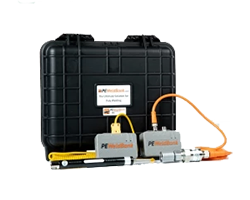
Modern HDPE fusion machines have embraced digital technology to guarantee weld quality. Advanced models feature onboard data logging systems that automatically monitor and record critical parameters for every joint, including heating temperature, fusion pressure, and cooling times. This data provides an auditable record of quality control, ensuring that each weld meets project specifications and industry standards like ASTM F2620 and ISO 21307. This traceability is invaluable for critical applications where failure is not an option.
Comparison: Butt Fusion vs. Other Methods
To fully appreciate the impact of butt fusion, it's helpful to compare it to other joining methods.
| Feature | HDPE Butt Fusion | Mechanical Couplings | Bell & Spigot (Gasketed) |
|---|---|---|---|
| Joint Strength | As strong as the pipe itself | Potential weak point | Can separate under stress |
| Leak Risk | Virtually zero | High; relies on gaskets/seals | Moderate; gasket can fail |
| Longevity | 50-100 years | Limited by gasket material | Prone to degradation |
| Corrosion Risk | None | High (if metallic) | None |
| Installation Speed | Fast | Slower, more components | Relatively fast |
The Human Element: Operator Training and Certification
While the machine provides the process, the quality of a butt fusion weld ultimately depends on the skill of the operator. Proper training is crucial. A certified operator understands how to prepare the pipe, operate the machine correctly, and visually inspect a completed joint to verify its quality. Investing in training ensures that the full benefits of the technology are realized, guaranteeing a pipeline that will perform reliably for decades to come.
Future Trends in HDPE Fusion Technology
Innovation continues to push the boundaries of HDPE fusion. Future trends point towards increased automation, where machines can self-adjust for environmental conditions and require even less operator input. Integrated sensors and IoT connectivity will allow for real-time monitoring and remote diagnostics, further enhancing quality assurance and productivity on the job site. As technology advances, HDPE fusion will become even more efficient, reliable, and integral to building the infrastructure of tomorrow.
In conclusion, HDPE butt fusion machines represent a paradigm shift in pipeline construction. By creating a continuous, leak-proof, and exceptionally durable pipeline, this technology offers a solution that is economically superior, environmentally responsible, and fundamentally more reliable than traditional methods. As we continue to build and upgrade critical infrastructure around the world, the impact of HDPE fusion machines will only continue to grow, cementing their role as an essential tool for the 21st-century construction industry.