

Manual vs Hydraulic vs Automatic Pipe Fusion Machines: Pros, Cons, and Best Fit
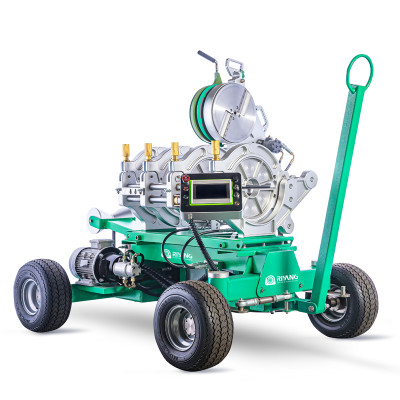
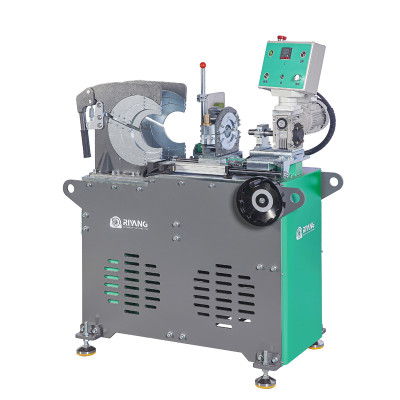
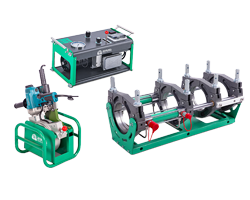
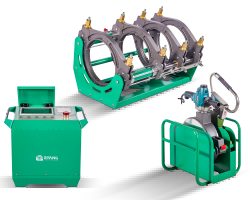
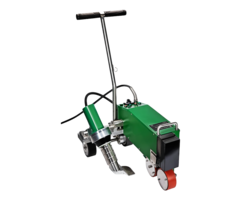
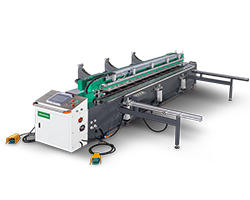
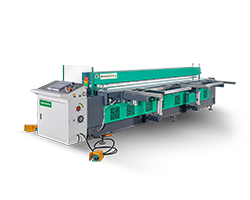
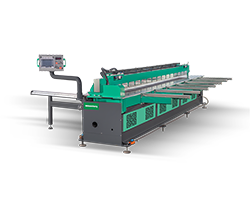
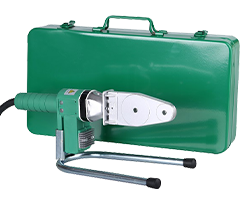
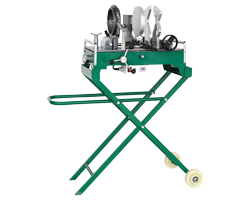
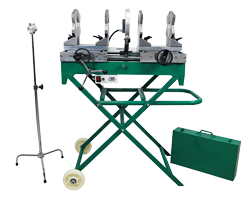
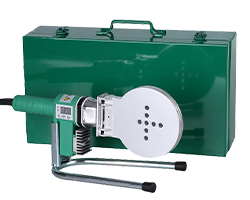
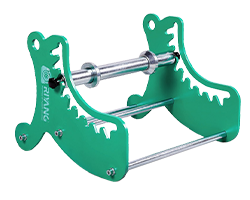
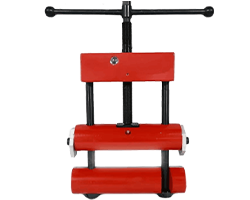
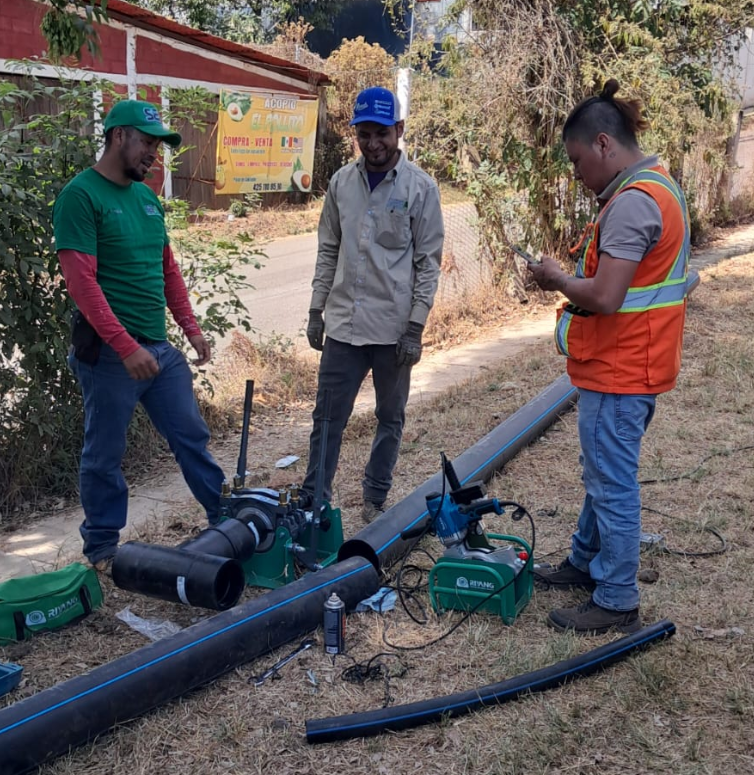
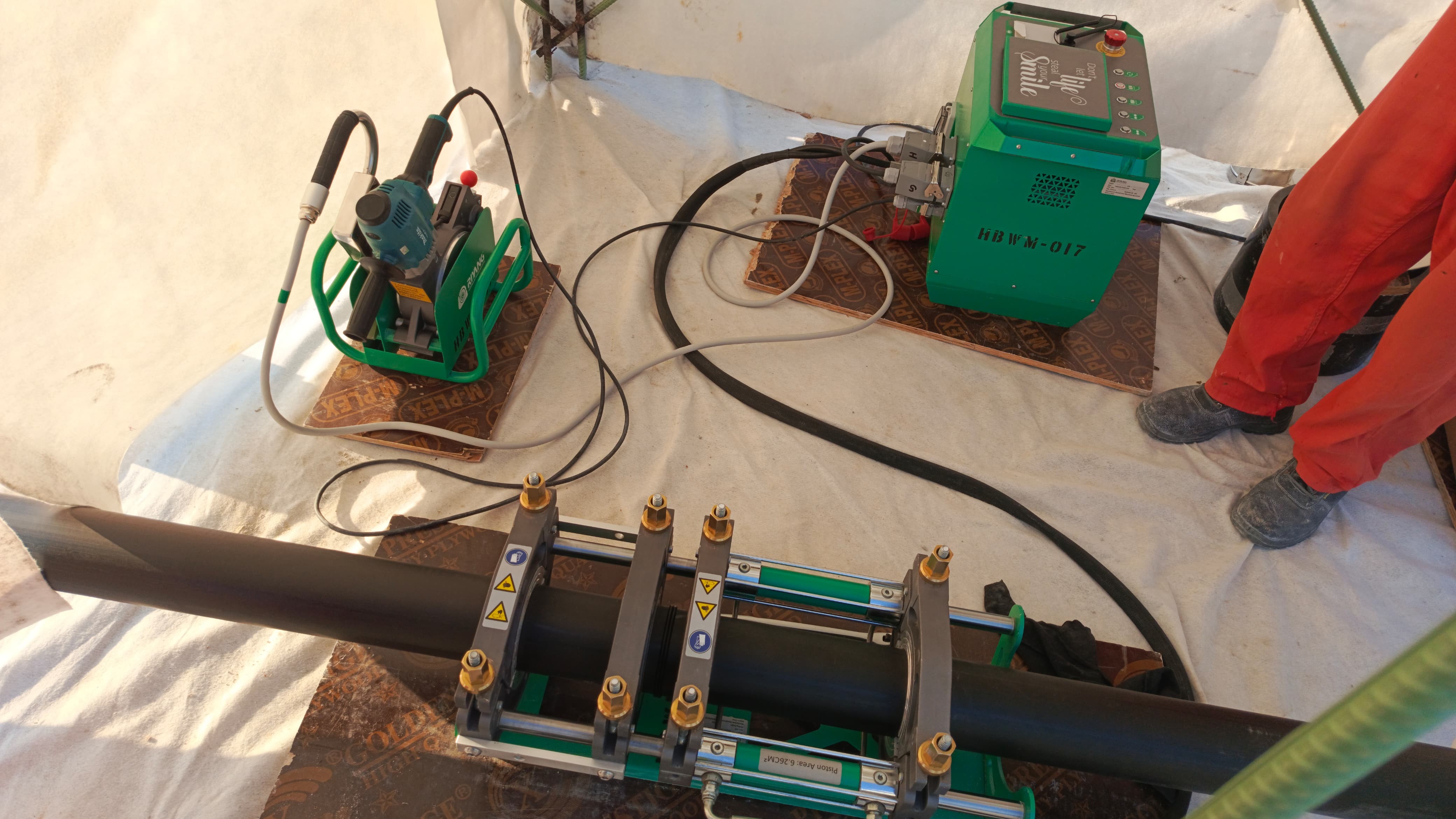
Manual machines suit small diameters (≤160 mm) and low-budget irrigation work where operator skill compensates for basic controls. Hydraulic machines cover the mid-to-large range (160–2500+ mm) with adjustable pressure and time — the standard for water and gas infrastructure. Automatic/CNC machines add guided weld cycles, parameter recording, and onboard data logging for projects requiring full traceability (ISO 12176-4 or equivalent quality systems). Choose by pipe OD range first, then traceability and operator dependency. Every butt fusion joint requires three variables to be managed: temperature (heater plate surface), time (heat-soak, changeover, fusion, cooling), and interface pressure (drag + fusion pressure at the pipe end faces). The machine type determines how many of these are operator-dependent versus machine-managed. Manual machines leave all three to the operator — they provide the clamping frame and a basic lever mechanism but no hydraulic regulation, digital timer, or pressure gauge as standard. Hydraulic machines introduce a power pack with adjustable pressure control and a timer, removing the guesswork from interface pressure and heating duration. Automatic/CNC machines go further: the control unit reads pipe parameters from the operator, calculates the full cycle, and either guides or executes each step while continuously recording actual values. This control map matters because welding standards such as ISO 21307 and regional technical specifications increasingly expect machine-recorded data. A manual machine cannot satisfy a data-logging requirement on its own; a hydraulic machine may with an add-on logger; an automatic machine typically ships with recording capability built in. Manual machines use a simple clamping frame with hand-lever or screw-driven carriage movement. The operator measures and applies fusion pressure manually, watches a separate stopwatch for timing, and keeps a paper log if records are needed. Most manual frames cover 40 mm to 160 mm OD, though some extend to 200 mm or 250 mm. At larger diameters the physical force required makes a hand lever impractical. Small-scale irrigation laterals, rural water supply lines below 160 mm, temporary site piping, and applications where standards do not mandate recorded weld data. Manual machines are still common in agricultural and low-pressure plumbing contexts. Hydraulic machines add a power pack with a pump, pressure gauge, and control valves. The hydraulic cylinder in the movable carriage applies and maintains fusion pressure, while the operator sets temperature on the heater plate and monitors a digital or analogue timer. Standard hydraulic models span 160 mm to 2500 mm OD, with large-diameter variants reaching 2800 mm, 3000 mm, or above. The machine frame scales with pipe diameter, and the hydraulic unit is sized accordingly — smaller units for 63–250 mm, larger units for 315–630 mm and beyond. Instead of a hand lever delivering unknown force, the hydraulic ram generates controlled, measurable pressure at the pipe-end interface. The operator inputs pipe OD and SDR, calculates the required fusion pressure (drag pressure + theoretical interface pressure), and sets the hydraulic regulator. A pressure gauge provides continuous visual confirmation. The timer — whether a separate device or a simple digital display — enforces minimum heating, changeover, and cooling durations per the applicable welding procedure. Automatic machines add an electronic control unit that calculates, guides, or fully executes the fusion cycle. The operator enters pipe OD, SDR, and material grade; the control unit computes pressure and timing, then either prompts each step (semi-automatic) or runs them without operator intervention (fully automatic). Automatic models typically cover 160 mm to 1200 mm OD, though some extend to 2000 mm or more for large infrastructure projects. Semi-automatic machines use the control system to set and maintain hydraulic pressures and prompt the operator for each action (close carriage, insert heater plate, remove plate, begin fusion). The operator still physically moves the heater plate and carriage. Fully automatic machines add motorised heater plate insertion/removal and carriage movement, running the entire cycle from heating through cooling without operator touchpoints. Automatic machines continuously record actual temperature, pressure, time, and drag values during each joint. This data can be downloaded via USB, transferred over mobile networks, or viewed on a screen. The record typically supports ISO 12176-4 or equivalent quality management requirements. If a parameter drifts outside tolerance, the system generates an alarm — a feature manual and basic hydraulic machines lack. Manual machines dominate small-diameter laterals. Hydraulic machines appear where mainlines exceed 160 mm. Data logging is rarely required. Budget sensitivity favours manual and entry-level hydraulic models. Hydraulic machines are the default choice from 160 mm through 2500+ mm. Most water authorities specify butt fusion procedures that require measured pressure and timing. Automatic machines enter where the project scope demands auditable quality records. Automatic or semi-automatic machines are strongly preferred. Gas network operators typically mandate data-logged joints with traceability to each weld. Manual machines are generally not accepted for gas work regardless of diameter. Large-diameter slurry and process lines (315 mm and above) demand hydraulic or automatic machines. The machine chassis must handle rough terrain — trailer or crawler configurations are common. Data logging is increasingly specified in miner-owned infrastructure. Fixed automatic machines are typical in fabrication shops producing segmented bends, tees, and manifold assemblies. The machine stays in one place while pipe segments are loaded; portability is irrelevant. The machine type directly affects training investment. Manual machines require an experienced welder who can judge heating uniformity, bead formation, and pressure feel — skills that develop over time and are hard to transfer. Hydraulic machines reduce the skill barrier for pressure application but still demand a trained operator who can calculate interface pressure and follow a welding procedure correctly. Automatic machines shift the skill requirement from manual dexterity toward system familiarisation: operators must enter correct pipe parameters and understand alarm conditions. Maintenance profiles differ sharply. Manual machines need little beyond cleaning, clamp jaw inspection, and heater plate surface checks. Hydraulic machines add oil changes, hose inspection, and O-ring replacement. Automatic machines add electronics protection, software updates, and sensor calibration. A maintenance programme should match the machine complexity — a point often underweighted during purchasing. In most regulated markets, no. Gas network operators require machine-recorded weld parameters as part of their quality management systems. A manual machine cannot produce that record. Hydraulic machines with data loggers or automatic machines are the accepted options. A semi-automatic machine calculates pressures and timing and prompts the operator to perform each physical step (insert heater plate, remove plate, close carriage). A fully automatic machine also motorises the heater plate and carriage movement, running the cycle without operator touchpoints beyond the initial setup. Some hydraulic machines can accept an external data-logging attachment that records pressure, time, and temperature per joint. This does not make the machine automatic — the operator still controls the cycle — but it provides a digital record. Check whether your specification accepts an external logger or requires an integrated system. Most operators find manual fusion effort manageable up to 160 mm OD. At 200 mm and above the physical force required makes consistent joint quality difficult, and hydraulic assist becomes the practical minimum. No. Most standards still require the operator to hold a recognised welder qualification, even when using an automatic machine. The machine improves repeatability and records data, but parameter entry, machine setup, and visual inspection of the finished bead remain operator responsibilities. For contractors working across pipe sizes and project types, a hydraulic machine covering 160–400 mm or 160–630 mm typically offers the widest application envelope at a moderate cost. For gas-specialist contractors, an automatic machine with data logging is essential regardless of initial cost. See Riyang's butt fusion machine range for model comparisons.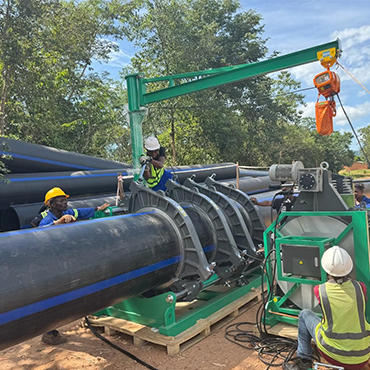
What Each Machine Type Actually Controls
Manual Butt Fusion Machines: Where They Fit
Typical Pipe Range
Advantages
Limitations
Ideal Projects
Hydraulic Butt Fusion Machines: Pressure Control and Versatility
Typical Pipe Range
What the Hydraulic System Changes
Advantages
Limitations
Automatic and CNC Butt Fusion Machines: Guided Cycles and Records
Typical Pipe Range
Semi-Automatic vs Fully Automatic
Data Logging and Traceability
Advantages
Limitations
Comparison Table: Manual vs Hydraulic vs Automatic
Feature Manual Hydraulic Automatic / CNC Typical pipe OD range 40–160 mm 160–2500+ mm 160–1200+ mm Interface pressure control Operator feel Gauge + hydraulic valve Control unit calculated and managed Timing control External stopwatch Built-in or external timer Automatic cycle control Data recording None (paper only) External logger (optional) Built-in, continuous Cycle enforcement None None (operator dependent) Alarm + optional lockout Operator training level Experienced welder Trained operator Trained operator + system familiarisation Approximate relative cost Low Medium High Maintenance complexity Low (mechanical only) Medium (hydraulics + frame) Higher (hydraulics + electronics) Portability High Medium to low (varies by size) Low (typically trailer or site-based) Repeatability Operator dependent Moderate High Best Fit by Project Sector
Irrigation and Agriculture
Water Supply and Distribution
Gas Transmission and Distribution
Mining and Industrial
Fabrication and Workshop
Decision Tree: Choosing Your Machine Type
≤ 160 mm → manual or hydraulic possible. 160–2500 mm → hydraulic or automatic. Above 630 mm → hydraulic or automatic with appropriate frame size.
Yes → automatic (or hydraulic with certified external data logger). No → proceed to next question.
Yes → automatic machine with validated data-logging capability. No → hydraulic or automatic depending on budget and operator availability.
In-ditch, confined space, or steep terrain → compact hydraulic or manual frame. Open trench, yard, or flat site → standard or automatic configurations are practical.Operator Training and Maintenance Considerations
Frequently Asked Questions
Can a manual butt fusion machine weld gas pipes?
What is the difference between semi-automatic and fully automatic?
Can a hydraulic machine be upgraded to record data?
At what pipe diameter does a manual machine become impractical?
Do automatic machines eliminate the need for welder qualification?
Which machine type offers the best return on investment?
Key Takeaways
References