


Expert FAQ Center
Pipe Fusion Machine FAQS
Clear answers for buyers, engineers, operators, maintenance teams, and distributors who need dependable guidance before selecting, operating, or supporting pipe fusion welding equipment.
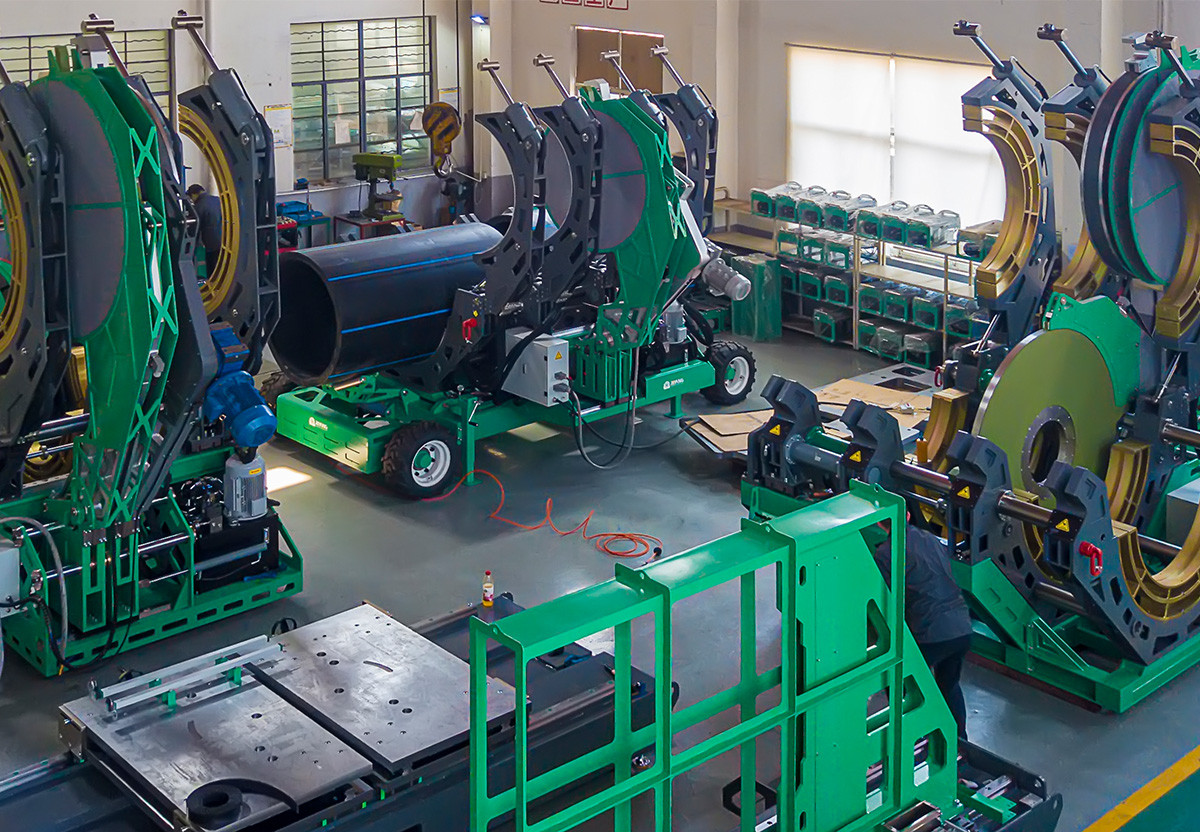
How to Use This FAQ
Start with the category that matches your current decision. Buyers can review cost, lead time, and configuration questions first. Engineers and operators can move directly to machine selection, welding standards, operation, and maintenance.
What Makes the Answers Reliable
The content is structured around product evaluation, site conditions, pipe material, diameter range, welding method, documentation, and service support. It avoids vague claims and gives criteria that can be verified during quotation.
Best Next Step
Prepare pipe material, outside diameter, SDR or wall thickness, project location, power supply, expected daily workload, and required documentation before asking for a recommendation.
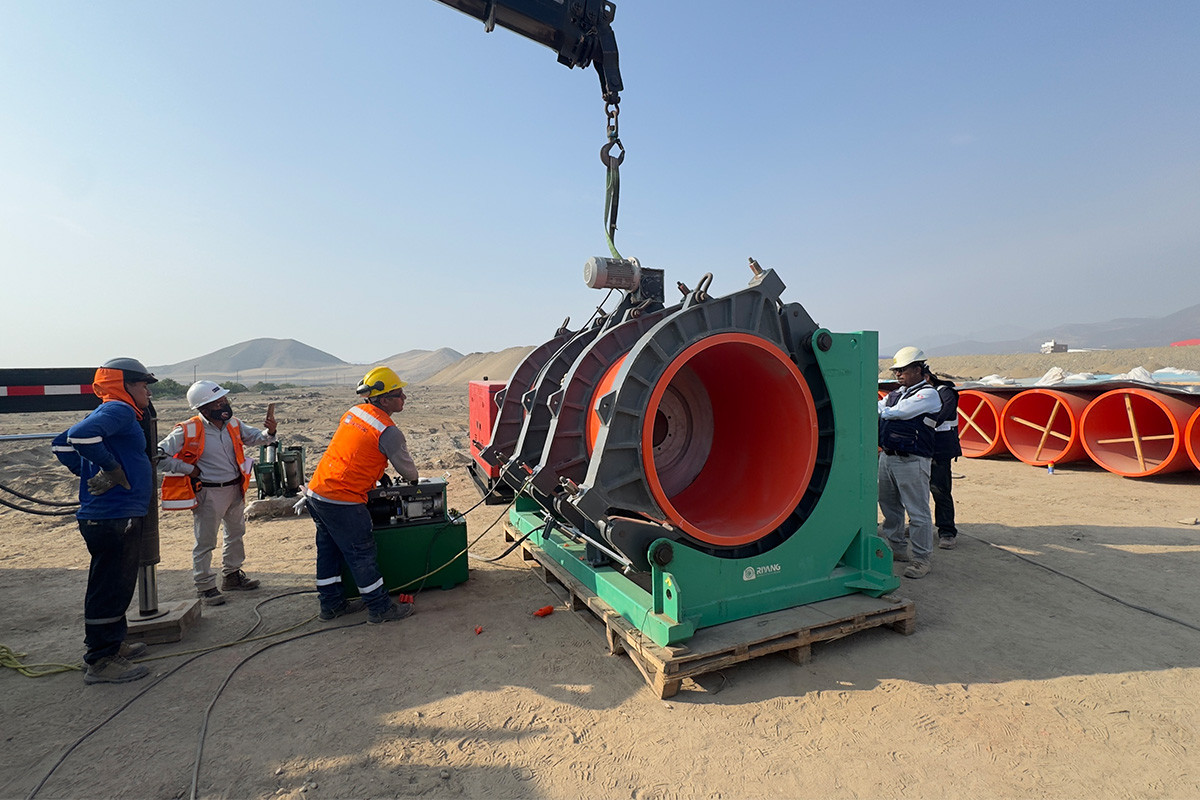
Buying Guide
What should I check before buying a butt fusion machine for an HDPE pipeline project?
Detailed Explanation
The buy-versus-rent decision depends on four factors: project duration, joint count, machine availability in your region, and the machine's resale value. Short-term repair work, emergency shutdown jobs, and one-off municipal connections often justify renting. However, rental costs accumulate quickly: a hydraulic butt fusion machine in the 315–630 mm range can cost USD 700–2,500 per month to rent depending on region, and rental machines may come with undocumented wear on heater plates, facer blades, and hydraulic seals. If your project spans 6 months or more, the total rental cost may approach 50–70% of the purchase price, at which point buying and later reselling the machine recovers much of the investment. Contractors who handle regular pipeline projects typically buy because they can amortize the machine across multiple jobs, maintain it to their own standards, and avoid availability risk during peak construction season. Some distributors and manufacturers, including Riyang partners around the world, offer flexible terms for long-term rental customers who may later convert to purchase.
Case Study
A contractor in South Africa needed to weld 200 mm HDPE pipes for a 3-month irrigation project with approximately 150 joints. The purchase price of a suitable manual/hydraulic fusion machine was approximately USD 8,500. Local rental costs were USD 1,200/month. The contractor rented for 3 months at a total cost of USD 3,600—less than half the purchase cost—and completed the project successfully. By contrast, a Gulf-region contractor with 18 months of ongoing infrastructure work purchased a Riyang V630, used it across 5 projects, and later sold it for approximately 40% of the original price, making the total cost of ownership lower than renting.
Supporting Data
Construction equipment rental industry data shows that rental rates for specialized fusion equipment typically range from 3% to 6% of purchase price per month. Break-even analysis suggests that buying becomes financially advantageous when project duration exceeds 6–8 months of continuous use.
What hidden costs are usually missed when comparing HDPE pipe fusion machine quotations?
Detailed Explanation
A machine quotation that looks attractively low often excludes items that become essential once work begins.
First, accessory costs: ISO or DIPS clamp inserts are often sold separately and can add 10–25% to the base machine price. Stub end holders, pipe roller supports, lifting cranes for heavy heater plates on machines above 450 mm, and data loggers are frequently optional extras.
Second, spare parts: manufacturers with shorter lead times or limited local distribution may ship machines without spare facer blades, heater plate coatings, or hydraulic seal kits, meaning your first downtime event requires an international courier order with 3–10 day lead time.
Third, international shipping costs including sea freight, port handling, customs clearance, duties, and inland transportation can add 8–20% to the ex-works price depending on destination.
Fourth, operator training: if the manufacturer does not include training materials, welding procedure charts, or remote support, you may need to hire a third-party trainer at USD 500–2,000 per session.
Fifth, calibration and certification: some projects require third-party calibration certificates for pressure gauges and temperature controllers, which can cost USD 300–800 per machine.
Riyang addresses these systematically: every V-series machine quotation includes the full accessory scope by default, operator manuals with welding charts, and a clearly itemized spare parts list so buyers can compare total cost of ownership, not just the machine price.
Supporting Data
Logistics and accessory costs typically add 15–35% to the ex-works machine price for international buyers. Comprehensive quotations that include accessories, spares, freight, and duties provide more accurate budget comparisons than base machine pricing alone.
What information should I send to a supplier before asking for a machine recommendation?
Detailed Explanation
A fitting fabrication machine differs fundamentally from a standard butt fusion machine. Standard machines weld straight pipe-to-pipe joints in a linear configuration. Fitting fabrication machines must hold and align pipe segments at specific angles—commonly 11.25°, 22.5°, 30°, 45°, and 90°—to produce segmented elbows and tees. The machine should have an indexed rotating table or adjustable angle fixture that locks segments precisely. For workshop fabrication of tees and crosses, the machine needs a vertical clamping system that can hold a branch pipe perpendicular to the main pipe run. The heating system must cover mitered joint surfaces evenly; some fabrication machines use a shaped heater plate or dual-heater configuration. Most fabrication shops pair the fitting machine with a pipe band saw for accurate segment cutting and, optionally, a saddle radius saw for branch-saddle preparation. Riyang's ATLA and MAX series fitting fabrication machines cover pipe diameters from 90 mm to 2,500 mm and produce fittings compliant with ISO 4427 and EN 12201 dimensional standards. Evaluate whether the machine's angle presets match your most common fitting specifications and whether quick-change tooling exists for different diameter ranges.
Case Study
A pipe fitting manufacturer in Brazil needed to produce 45° and 90° segmented elbows from 200 mm to 630 mm pipe for a water treatment plant project. They evaluated three fitting fabrication machines. Two competitors required manual angle measurement and clamping for each segment, adding 8–10 minutes per segment. Riyang's ATLA series with indexed angle stops and pneumatic clamping reduced segment setup to under 3 minutes, enabling the manufacturer to produce 18 elbows per shift instead of 10, a 80% throughput increase.
Supporting Data
Workshop-based fitting fabrication using dedicated machines typically achieves 3–5 times higher throughput than field-based fitting construction using standard butt fusion machines with improvised fixturing.
What accessories should be included with a butt fusion machine package?
Detailed Explanation
Accessories are not optional upgrades—they directly determine whether your machine can complete real jobsite work.
First, clamp inserts: the machine's standard jaws typically ship with multi-size "hamburger" inserts, but many regulations require single-size ISO for better alignment, especially on thin-wall pipes, or narrow clamps for short spigot. If you weld both metric (ISO) and imperial (IPS/DIPS) pipes, budget for two insert sets.
Second, facer blades: factory-installed blades have a finite life. Always order at least one spare blade set. Third, pipe roller supports: without them, long pipe sections sag and create misalignment during fusion, especially on 12 m or longer pipe lengths.
Fourth, a stub end holder: essential for welding flange adapters and stub ends to pipe, which is required on virtually every pipeline project.
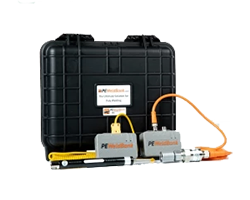
Fifth, a data logger: increasingly required by major utilities and infrastructure projects for traceable joint records. A data logger like Riyang's PEWeldBank-compatible system prompts the operator through each welding step, records actual time, temperature, and pressure values, and produces a joint-by-joint report for inspector review.
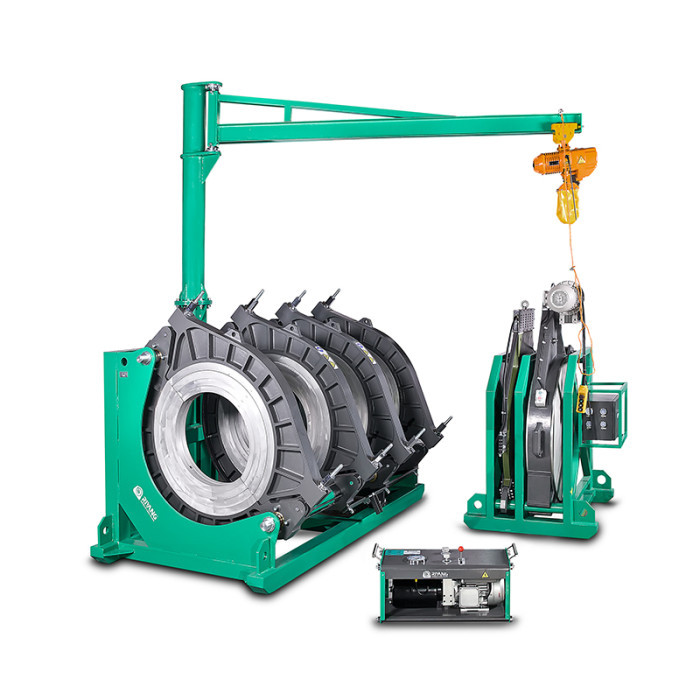
Sixth, for machines above 450 mm pipe capacity, the heater plate and facer may weigh 40–80 kg each—an electrical lifting crane is a safety requirement, not a convenience. Ask your supplier to provide an itemized accessory checklist with the quotation rather than assuming items are included.
Case Study
An Australian contractor ordered a poly welder for a mining pipeline project. The base quotation looked competitive, but the machine arrived without pipe roller supports or a stub end holder. The contractor spent an additional AUD 3,200 and waited 3 weeks to source these locally, delaying project start by 22 working days and incurring AUD 18,000 in standby costs.
Supporting Data
Projects where full accessory packages are ordered with the initial machine shipment experience 60–70% fewer startup delays compared to projects that source accessories separately after machine delivery.
How can I compare manual, hydraulic, and automatic butt fusion machines before purchase?
Detailed Explanation
Manual butt fusion machines use hand-lever or screw-driven mechanisms to apply fusion and upset pressure. They are lightweight, portable, and cost 40–60% less than equivalent hydraulic models. They work well for 40–200 mm pipes on repair crews and short-run installations where 5–15 joints per day is typical. However, manual pressure application is operator-dependent: inconsistent force, uneven heating plate removal speed, and variable upset pressure can affect joint quality, particularly on pipes above 160 mm. Hydraulic machines use a power unit (HPU) to apply controlled, repeatable fusion pressure through a hydraulic cylinder. The operator sets the fusion pressure on a gauge and the HPU maintains it, removing the human variable. This is the standard choice for 200–1,200 mm municipal, gas, and industrial work producing 15–30 joints per day. Automatic machines add a programmable logic controller (PLC) that manages the entire fusion cycle: heater plate temperature monitoring, bead-up pressure, heat soak timing, plate removal, and upset/cooling phases. The operator mainly loads and aligns the pipe—the machine controls the process parameters. Automatic machines are essential for projects requiring ISO 21307 or ASTM F2620 compliance with full data logging, and for high-volume production environments (30–80+ joints per day). Riyang's V-series hydraulic line spans from V160 manual through V3000 trailer-mounted, with PEWeldBank data logger compatibility across all hydraulic models, giving buyers an upgrade path from manual to data-logged operation.
Case Study
A contractor in Argentina switched from a manual 200 mm machine to a Riyang V315 hydraulic model for a 250-joint gas pipeline project. The hydraulic machine reduced joint rejection rate from 8% to under 1% because fusion pressure was consistent across every joint, and the data logger provided documentation that the gas utility inspector required for commissioning approval.
Supporting Data
Hydraulic machines reduce joint rejection rates by approximately 60–80% compared to manual machines on pipes above 160 mm, primarily due to controlled, repeatable fusion pressure application rather than operator-dependent hand-lever force.
Which project conditions make a data logger worth paying for?
Detailed Explanation
A welding data logger costs approximately 8–15% of the machine price, but its value far exceeds that cost on projects where joint quality documentation is mandatory. The data logger continuously records time, temperature, and pressure throughout the fusion cycle and generates a joint report that proves the correct procedure was followed. This documentation is increasingly required for gas distribution pipelines (where joint failure has catastrophic consequences), large-diameter water transmission mains (where repair costs are high), and any project with third-party inspection. Beyond documentation, a data logger improves quality: it prompts the operator through each step—drag pressure measurement, bead-up, heat soak, plate removal, upset, and cooling—reducing the chance of skipped steps or timing errors. This is especially valuable when crews include less experienced operators who may not have internalized the full welding cycle. On a project with 500 joints, the cost per joint for data logging is typically USD 3–8, a fraction of the cost of cutting out and re-welding even one failed joint. Riyang's PEWeldBank-compatible data loggers work across all V-series hydraulic and automatic machines, so you can add data logging capability later if your project scope expands.
Case Study
A gas utility in Chile required joint traceability for a 40 km PE100 gas distribution network. The contractor used a Riyang V630 with PEWeldBank data logger. During commissioning pressure testing, one joint showed a minor pressure drop. The data logger report for that specific joint confirmed that all parameters were within specification, proving the joint was correctly made. The issue was traced to a fitting defect, not the welding process, saving the contractor from a costly re-welding program and protecting their reputation with the gas utility.
Supporting Data
Research by the Plastics Pipe Institute (PPI) and European gas network operators indicates that data-logged butt fusion joints have a field failure rate approximately 1/10th that of non-logged joints in critical gas and water applications because the logging process enforces procedural compliance.
How should buyers compare low-price machines against professional jobsite machines?
Detailed Explanation
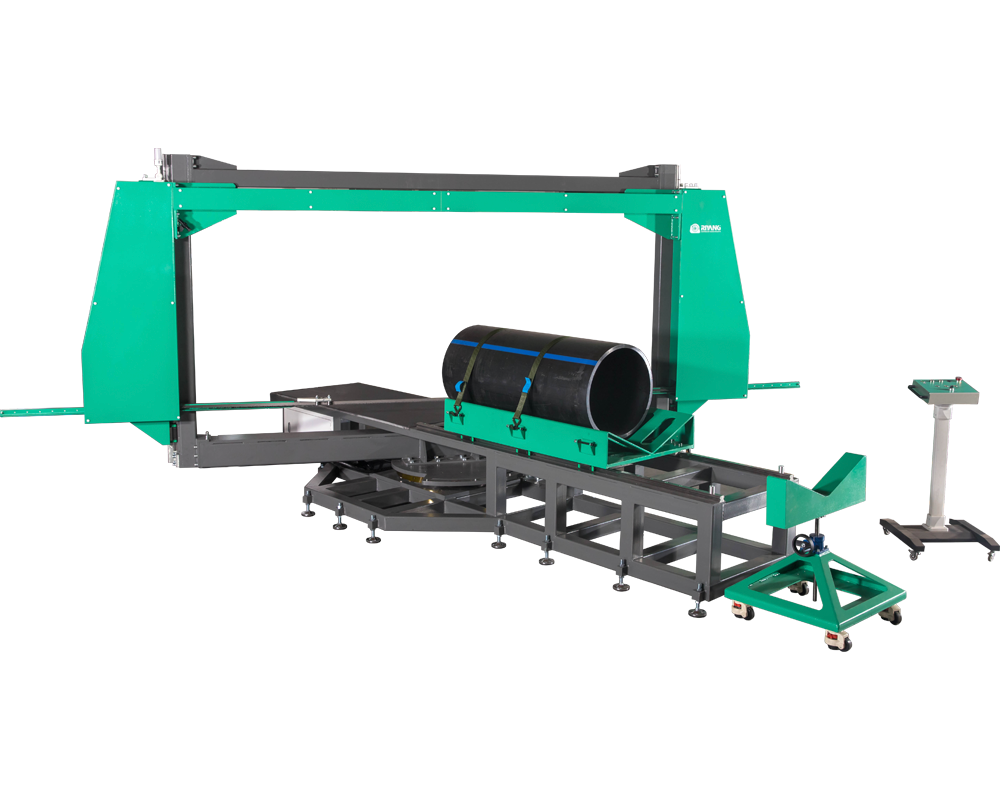
A standard butt fusion machine welds straight pipe joints. If your project needs HDPE fittings—which most pipeline projects do—a complete fabrication setup adds significant capability. The setup typically includes a fitting fabrication machine (for indexed angle clamping and segment welding), a pipe band saw (for accurate perpendicular and mitered cuts), and optionally, a saddle fusion machine (for branch connections on existing pipes) and a saddle radius saw (for preparing branch-saddle contact surfaces). The economic case: pre-fabricated HDPE fittings from third-party manufacturers typically cost 3–8 times the raw pipe material cost and carry 2–6 week lead times. For a project requiring 50 elbows, 20 tees, and 10 reducers in non-standard sizes, the savings from in-house fabrication can pay for the machine setup within one project. Quality control is another driver: in-house fabrication lets you verify every fitting visually and dimensionally before installation. For distributors and workshops serving multiple contractors, a complete fabrication setup creates a new revenue stream by selling fabricated fittings to customers who do not own their own production equipment. Riyang's fitting fabrication ecosystem includes the ATLA and MAX series machines, TPS and ARC series band saws, and MAX315 saddle fusion machines, forming an integrated production line for HDPE fitting manufacturing.
Case Study
A water infrastructure contractor in the Middle East needed 120 custom segmented elbows, 80 tees, and 40 reducers for a large-diameter HDPE desalination plant intake and outfall project. Purchasing these fittings from a third-party fabricator was quoted at USD 95,000 with a 10-week lead time. The contractor invested approximately USD 42,000 in a complete Riyang fabrication setup (fitting machine + band saw + tooling). They produced all fittings in-house over 4 weeks, saved USD 53,000 on this project alone, and now fabricates fittings for other contractors as an additional business line.
Supporting Data
In-house HDPE fitting fabrication typically reduces fitting costs by 40–60% compared to purchasing pre-fabricated fittings, with lead time reduction from weeks to days for most standard fitting configurations.
Key Takeaways for Machine Buyers
- Always qualify the pipe diameter range, SDR, and welding standard before requesting a quotation.
- Compare total cost of ownership (accessories, spares, freight, training) rather than base machine price alone.
- Choose hydraulic over manual for pipes above 200 mm and projects exceeding 15 joints per day.
- Add a data logger when joint traceability, gas pipeline, or high-pressure water applications are involved.
- Request a documented spare parts list with lead times before placing the order.
- Riyang provides free technical recommendations when you share your project parameters.
Machine Selection
What is the difference between a butt fusion machine and an HDPE pipe fitting welding machine?
Detailed Explanation
A butt fusion machine welds two straight HDPE pipe ends together along a single axis—clamp both ends, face them parallel, heat against the plate, then fuse under controlled pressure—to build continuous pipeline. A fitting fabrication machine instead holds pipe segments at precise angles (commonly 11.25°, 22.5°, 30°, 45°, and 90°) on an indexed table with positive locking, plus a vertical clamping system for branch segments, so mitered segments can be fused into elbows, tees, crosses, and Y-branches. The two machines are not interchangeable: a butt fusion machine cannot make fittings, and a fitting machine cannot build the pipeline. On a project the butt fusion machine moves along the trench joining pipe lengths; in a workshop the fitting machine stays in place producing fittings that are later installed with a butt fusion machine. Riyang covers both needs—the V-series butt fusion machines (40 mm to over 2,000 mm) for field construction, and the ATLA/MAX-series fitting fabrication machines for workshops producing elbows, tees, and custom fittings.
When should I choose hydraulic butt fusion instead of manual butt fusion?
Detailed Explanation
The difference is how fusion pressure is generated, controlled, and verified. Manual machines use a lever or hand wheel, so pressure depends on operator force—they are lightweight and portable for pipes up to about 160 mm, tight trenches, and sites without power, but consistency falls off on larger diameters. Hydraulic machines use a hydraulic unit to deliver controlled, measurable pressure through a cylinder, cover 160–2,500 mm OD and beyond, and accept a data logger that records fusion pressure, heating-plate temperature, and soak/cooling time per joint for ISO 21307, DVS 2207-1, and ASTM F2620 compliance. Key decision criteria: (1) pipe diameter above 160 mm, (2) daily output over 20–25 joints, (3) traceable weld documentation, (4) jobsite power availability, and (5) operator training. Riyang's V-series hydraulic machines span 40–2,500 mm with data-logger compatibility, while manual models stay economical and portable for smaller diameters and field service work.
When is an automatic butt fusion machine a better choice than a hydraulic model?
Detailed Explanation
The core difference is who controls the weld cycle. A hydraulic machine supplies controlled force, but the operator still manages each phase—drag pressure, heating-plate soak time, changeover time, fusion pressure, and cooling—so weld quality depends heavily on operator skill and consistency. An automatic machine uses a PLC controller with pre-programmed welding tables keyed to pipe outside diameter, SDR, and standard, and it executes the entire cycle on its own: it clamps and faces the pipe, heats at the programmed temperature, opens the changeover within the allowed time, applies fusion pressure, and holds through cooling. Choose automatic when: (1) daily output is high and the same joint repeats again and again; (2) diameters are large enough that manual parameter control becomes impractical; (3) the project requires tamper-resistant, traceable records, since automatic models log every parameter and often export a weld report per joint; (4) the crew includes less-experienced or rotating operators, because the machine enforces the procedure rather than relying on muscle memory; or (5) the specification calls for tight ISO 21307, DVS 2207-1, or ASTM F2620 tolerances. Stay with hydraulic when the budget is limited, when jobs change pipe-to-pipe and need flexibility, when operators are highly skilled, or when site power is limited—automatic machines generally need a stable, adequate electrical supply and a trained technician for setup. Riyang's automatic butt fusion machines keep a manual override for setup and troubleshooting, so you get repeatability without losing control.
How do I select a machine for elbows, tees, crosses, and segmented fittings?
Detailed Explanation
Fittings are built by fusing several mitered pipe segments together at controlled angles, so the machine’s real job is holding and aligning those segments while they are faced, heated, and fused under pressure. A standard butt fusion machine joins two straight pipe ends on a single axis and cannot produce an elbow or a tee, while a fitting fabrication machine combines an indexed angle table with positive locking at the standard miter angles (11.25°, 22.5°, 30°, 45°, and 90°) for elbows, crosses, and horizontal bends, plus a vertical clamping column for fusing branch segments onto a run to make tees and Y-branches. Key selection criteria: (1) angle range and locking precision — confirm the machine indexes and locks the exact angles you fabricate so segments do not shift under fusion pressure; (2) outside-diameter and SDR coverage — the clamps, facer, and heating plate must match the fitting sizes you actually produce; (3) segment and miter capability — larger-diameter elbows use more segments, so verify the machine can clamp and align the segment count you need; (4) drive type — manual for small, low-volume fittings, hydraulic for larger outside diameters and higher workshop output; and (5) supporting equipment — a pipe band saw cuts accurate miter angles, and a heating plate and facer sized to the fitting cross-section are essential. Riyang’s ATLA/MAX-series fitting fabrication machines cover this workshop work with indexed angle tables, vertical clamping for branch segments, and matching band saws and heating plates; send your fitting types, OD and SDR range, and monthly volume to Riyang for a matched quotation and machine recommendation.
Welding Standards
Which welding standards should be confirmed before buying an HDPE butt fusion machine?
Detailed Explanation
Welding standards are not interchangeable. ISO 21307 defines three butt fusion procedures with heating-plate temperatures of 200–230°C for PE, bead-up pressure around 0.15 MPa interfacial, plate-removal time of 5–8 seconds, and cooling under pressure. DVS 2207-1 (Europe, Middle East, Asia) specifies 0.15 N/mm² interfacial pressure and ±5°C plate uniformity, usually requiring calibrated gauges reading fusion pressure. ASTM F2620 (North America) uses about 30±5 psi bead-up and requires recording drag pressure, fusion pressure, heater temperature, ambient temperature, and cooling time. EN 12201 and ISO 4427 add pipe dimension and tolerance requirements. Owner and utility specs often add data-logging for every joint, third-party calibration certificates, or destructive testing. Confirm the exact standard and publication year with the project engineer before selecting a machine—the standard determines whether you need manual, hydraulic, or automatic control with data logging.
How do ISO, ASTM, and DVS requirements affect machine selection?
Detailed Explanation
The mapping from standard to machine is direct. ISO 21307 defines three butt fusion procedures (dual low-pressure, single low-pressure, and single high-pressure) with heating-plate temperatures of 200–230°C, bead-up pressure around 0.15 MPa interfacial, plate-removal time of 5–8 seconds, and cooling under pressure. Because it is procedure-focused rather than hardware-specific, it is the most flexible standard: any machine that holds stable plate temperature and fusion pressure can comply, so ISO-only jobs can often use a lower-cost manual machine when operators are skilled and volumes are low.
DVS 2207-1 is stricter. It specifies 0.15 N/mm² interfacial fusion pressure and ±5°C heating-plate temperature uniformity. Reproducing those tolerances joint after joint is difficult by hand, so DVS-based projects (common across Europe, the Middle East, and Asia) normally call for a hydraulic machine whose calibrated pressure gauge reads actual fusion pressure, with automatic control as the traceability upgrade.
ASTM F2620 is the most documentation-heavy. North American practice runs around 30±5 psi bead-up pressure and requires recording drag pressure, fusion pressure, heater temperature, ambient temperature, and cooling time on every joint. That record-keeping requirement is what effectively makes a data logger mandatory. An automatic machine with on-board data logging satisfies it directly; a hydraulic machine only complies when paired with an add-on logger.
Selection logic in practice: (1) ISO-only jobs with low volume and experienced operators can often use a manual machine. (2) DVS-based or municipal projects that need calibrated, reproducible pressure should use hydraulic. (3) ASTM F2620 or any project requiring per-joint weld records and QA/QC audits should use automatic with data logging. (4) Before purchase, confirm the calibration certificates, the heater plate's temperature-uniformity specification, and the data logger's output fields so they match the exact standard and publication year the project engineer names.
Does a butt fusion machine need calibration records for pressure and temperature?
Detailed Explanation
Butt fusion is pressure- and temperature-critical, which is why calibration records matter. The gauge reads total machine pressure, and the operator adds drag pressure to reach the required interfacial fusion pressure; a gauge that reads even a fraction off produces under- or over-pressured bead-up and a weak or distorted joint. The same applies to temperature: if the plate thermocouple drifts, the plate can run outside the 200–230°C window — too cold gives a brittle cold joint, too hot oxidizes the PE. Calibration is what links “the machine says X” to “the joint actually experienced X”.
What to calibrate and against which standard: calibrate the hydraulic pressure gauge, the heating-plate temperature sensor or thermocouple, and — on automatic machines — the on-board data logger. ISO 21307 defines the procedure and needs stable, verifiable plate temperature and fusion pressure; DVS 2207-1 specifies 0.15 N/mm² interfacial pressure and ±5°C plate uniformity; ASTM F2620 requires recording drag pressure, fusion pressure, heater temperature, ambient temperature, and cooling time on every joint, which effectively makes a calibrated data logger standard equipment in North America.
What good records look like: each certificate should state the instrument, the reference standard used, the test result, the date, and the next due date. Keep them with the machine manual so they are ready for project acceptance, owner or utility audits, and warranty support. Riyang’s butt fusion machines ship with calibration documentation, and the PEWeldBank data logger records per-joint weld parameters automatically; confirm the calibration scope and re-calibration interval with Riyang before you buy.
Operation
What daily checks should operators complete before starting a butt fusion machine?
Detailed Explanation
Daily checks are the first line of defense against weld defects. Visually inspect the machine for loose fasteners, damaged cables, debris on guide rods, and hydraulic leaks, then clean the frame and clamps. Verify the heating plate non-stick coating is intact and confirm surface temperature matches the setpoint (typically 225°C ±5°C for HDPE per ISO 21307 and DVS 2207-1); if variation exceeds 10°C, stop and troubleshoot before welding. For hydraulic machines, check the oil level, inspect hoses, and cycle the carriage for smooth movement, confirming the pressure gauge returns to zero when idle. Inspect facer blade sharpness and seating, confirm clamp inserts are correctly sized, and assess jobsite wind, rain, dust, and shelter. Document each check in the daily log—a five-minute routine prevents hours of rework.
How should pipe ends be prepared before HDPE butt fusion?
Detailed Explanation
Pipe-end preparation is the single biggest driver of weld quality, because fusion only bonds clean, square, aligned surfaces. Cut and face: cut the pipe square to its axis, then face both ends with the facer until a continuous ribbon of shavings forms on each side—this removes the oxidized outer skin and leaves flat, parallel faces; stop as soon as the ribbon is continuous to avoid wasting wall thickness. Clean and dry: wipe each face with a clean, lint-free cloth and isopropyl alcohol, and never use oil-based solvents, diesel, or water, which contaminate the joint; let the faces dry fully before heating. Align: load the pipe into correctly sized clamp inserts and close the gap to check high/low misalignment—keep it within 10% of wall thickness with no visible gap. Handle time: prepared faces start to re-oxidize and pick up jobsite dust within minutes, so move to the heating plate immediately and never touch the faces with hands, gloves, or the ground. Following ISO 21307 / DVS 2207-1 facing and cleaning practice keeps the weld strong and traceable.
What causes misalignment during butt fusion and how can it be prevented?
Detailed Explanation
Misalignment shows up as a high/low step, an angled (out-of-square) face, or a visible gap when the pipe ends are brought together, and each cause has a specific fix. Clamp inserts: inserts that are the wrong size, a different standard, or unevenly tightened let the pipe sit off-center—match inserts to the exact OD and standard and tighten all bolts evenly. Frame and base: an unlevel, twisting, or poorly anchored frame lets the carriage shift as it moves—level the machine on firm ground and confirm the frame stays true across the full travel. Guide rods and carriage: dirt, nicks, or dry, worn rods make the carriage drift or bind—clean and lightly lubricate the rods and repair damaged surfaces. Pipe support: long or heavy pipe sags without proper roller stands, pulling the ends out of line—support both pipe ends so they stay concentric with the clamps. Facing: if the facer leaves a step or angled cut, the joint starts misaligned—face until each end is square and parallel, then close the gap and re-check that high/low offset stays within 10% of wall thickness before heating. Alignment cannot be corrected once the heating plate is applied, so verify it, record it in the weld log for traceability, and follow ISO 21307 / DVS 2207-1 alignment practice.
Maintenance
What maintenance should be done after each butt fusion job?
Detailed Explanation
Post-operation care directly determines the next shift's weld quality. Clean the heating plate while still warm (about 100–140°C) with a lint-free cloth to remove PE residue before it hardens—never use metal scrapers, abrasives, or solvents. Clear facer blades of plastic shavings with air or a soft brush and check edge sharpness. Wipe clamps, inserts, and guide rods, and lightly oil bare guide rods in muddy conditions. Inspect hydraulic hoses, couplings, and seals for seepage, and verify the reservoir level. Cover the machine and store it dry with hydraulic pressure relieved, then log any anomalies. Consistent post-job care cuts rework and extends component service life.
How do I clean a heating plate without damaging the non-stick surface?
Detailed Explanation
Correct heating-plate cleaning protects both the PTFE non-stick coating and the weld itself, because a scratched or contaminated plate transfers defects straight into the next joint. Work at a safe temperature: disconnect or lock out power, let the plate cool from welding temperature to a warm working range (about 100–140°C), and wear heat-resistant gloves—the plate is still hot enough to burn but cool enough that PE residue peels away easily. Use only non-abrasive tools: a clean lint-free cloth, a soft plastic or wooden scraper, and a soft nylon brush are safe; metal scrapers, blades, steel wool, sandpaper, wire brushes, and abrasive pads will gouge the coating. Remove residue while soft: wipe in one direction while the melted polyethylene is still pliable, and never burn or force off baked-on residue. Finish with a coating-safe solvent: wipe the face with isopropyl alcohol and let it dry; avoid oil-based solvents, diesel, and silicone spray, which attack the PTFE and leave a film. Verify and record: after cleaning, confirm the plate reaches and holds the set temperature with a calibrated surface thermometer (contact or IR) before the next weld, and log the cleaning and temperature check in the maintenance record for ISO 21307 / DVS 2207-1 traceability. If the coating shows scratches, discoloration, blistering, or peeling, replace the plate rather than trying to repair the surface.
When should facer blades be sharpened or replaced?
Detailed Explanation
Facer blade condition directly determines weld quality, because the facing pass squares and cleans the pipe ends before heating—a dull or damaged blade leaves a rough, non-square face that cannot be corrected once fusion begins. Inspect the cut, not the clock: after every facing pass, check the shavings and the pipe face; clean, even, continuous shavings and a smooth, square, matte face mean the blades are still good, while chipped or scalloped edges, a stepped or glossy face, or stringy plastic fuzz all signal replacement time. Watch the process: if facing takes longer, the motor labors or slows, or the pipe ends get hot and start to smear instead of cut, the blades are dull. Resharpen within limits: resharpen only if the blade remains above the manufacturer's minimum width and the cutting edge is free of deep chips; grind at the specified angle, cool the blade so it does not lose its temper, and resharpen both blades as a matched pair so they stay balanced. Replace in sets: when blades are below minimum width, deeply chipped, or no longer produce a clean face, replace the full set together and confirm the new blades match the machine model and pipe OD range before torquing to specification. Document and stock: log blade changes and facing-cycle counts in the maintenance record for ISO 21307 / DVS 2207-1 traceability, and keep a spare pre-set blade set clean, dry, and lightly oiled so a replacement never stops a shift.
Warranty
What should a professional butt fusion machine warranty include?
Detailed Explanation
Look beyond the headline duration and check six elements. Scope: a professional warranty separates covered components (frame, cylinders, control boards, heating-plate elements, data logger) from wear items (facer blades, clamp inserts, seals, O-rings, PTFE coating). Duration: 12 months from shipment or commissioning is standard, with some manufacturers offering 18–24 months on the frame and power unit—confirm how the date is calculated for sea freight. Claims procedure: report within 7–14 days with photos or video, the serial number, and operating conditions. Response time: 24–48 hours for initial assessment, with parts shipped within 5–10 working days of approval; remote video troubleshooting should come first. Parts-first policy: critical spares dispatched while the claim is reviewed reduces downtime. Exclusions: misuse, incorrect voltage, accidents, unauthorized modifications, and non-original parts. Riyang covers the frame, hydraulics, electronics, and heating plate for 12 months, responds within 24 hours, and supports remote troubleshooting before dispatching parts.
Which parts are usually covered under warranty and which parts are wear items?
Detailed Explanation
The split follows one rule: covered parts are what a manufacturing defect would break, while wear items are what normal welding will wear out. Covered (usually 12 months): the frame and carriage, hydraulic cylinders, hydraulic valves and hoses, the electronic control box and heating-plate temperature controller, and the heating-plate heating elements. Wear items (normally excluded or only 1–3 months): facer blades that dull with every facing pass, clamp inserts that wear against the pipe, seals and O-rings that age under heat and pressure, the PTFE coating on the heating plate, plus fuses, cables, and hydraulic oil. Before purchase, confirm three things in writing: (1) which specific parts fall in each list, (2) whether the heating plate is treated as a covered part or a consumable, and (3) whether electronics and hydraulics carry a different or longer term. Riyang covers the frame, hydraulic power unit, electronic control system, and heating-plate heating elements for 12 months and publishes the wear-item list in the quotation so buyers can compare terms fairly.
Does warranty coverage differ for hydraulic units, electronics, heater plates, and facer blades?
Detailed Explanation
Hydraulics and electronics fail from manufacturing defects, so they keep the full term; water ingress, wrong voltage, or damaged wiring is misuse. The heating plate's elements are covered; its PTFE coating is a consumable (1–3 months). Confirm terms in writing. Riyang covers the power unit, control system, and heating-plate elements for 12 months and itemizes wear parts.
Spare Parts
Which spare parts should be stocked for butt fusion machines used on remote jobsites?
Detailed Explanation
Remote jobsites have long parts lead times, so the goal is to cover the items that wear fastest or cause the most downtime when they fail. Facer blades dull with every joint and are the most frequently replaced item—keep sharpened spares plus a spare set of seats. Heating-plate coatings degrade and contaminate welds, so stock a spare plate or coating kit and never run a scratched plate. Clamp inserts must match every pipe diameter and standard in scope; missing inserts stop the whole machine. Hydraulic hoses, couplings, and seals are the common leak points, so keep spares plus oil for refills after repairs. Temperature controllers and thermocouples are small, cheap, and critical to weld quality. Finally, verify spares are genuine Riyang parts and store them dry, labeled, and inventoried so the crew can find them at night.
What are the most commonly replaced parts on hydraulic butt fusion machines?
Detailed Explanation
Hydraulic butt fusion machines have two main wear groups: cutting/surface parts and hydraulic/electrical parts. Facer blades dull with every facing pass and are the number-one consumable—replace or re-sharpen them as soon as facing becomes rough or slow. The heating plate's non-stick coating degrades and contaminates welds over time, so keep a spare plate or coating kit and never run a scratched surface. On the hydraulic side, cylinder and valve seals plus O-rings are the most common leak points, while hoses and quick-connect couplings wear from repeated connection cycles and jobsite abrasion. Clamp inserts should be replaced when their serrations or sizing wear, or when switching between pipe standards. Temperature sensors and thermocouples are small, inexpensive, and critical—they often fail silently, so a drifting reading is a signal to swap them. Stocking these high-turnover items locally keeps the machine producing instead of waiting on freight.
How do I choose the right clamp inserts for different pipe sizes and standards?
Detailed Explanation
Clamp inserts (also called reduction inserts, clamp jaws, or reducers) are the removable shells that adapt a machine’s main clamps to grip one specific pipe OD, and they are machine-specific: the mounting bolt pattern, shell width, and clamp size range must match your exact model, so an insert from another brand or a different clamp size will not seat correctly. The biggest selection trap is using nominal size instead of true OD—pipe of the same nominal diameter can have a different real outside diameter depending on the standard (an ISO SDR11 DN200 pipe, an IPS DR11 8-inch pipe, and a DIPS 8-inch pipe all differ slightly in OD), so an insert machined for one standard will grip too tight or too loose on another and cause misalignment, pipe crushing, or a weak weld. Choose inserts for every OD and standard you actually weld and quote, and keep them as matched pairs or full sets so the pipe stays centered and clamp pressure stays even. Check the gripping surface is clean and un-worn before each change, because worn serrations slip under fusion pressure and leave a poor joint. Store inserts labeled by OD plus standard so crews grab the right set quickly, and ask Riyang for a matched insert set for your machine model and typical project sizes instead of buying random sizes piecemeal.
Shipping
What shipping details should be confirmed before exporting a butt fusion machine?
Detailed Explanation
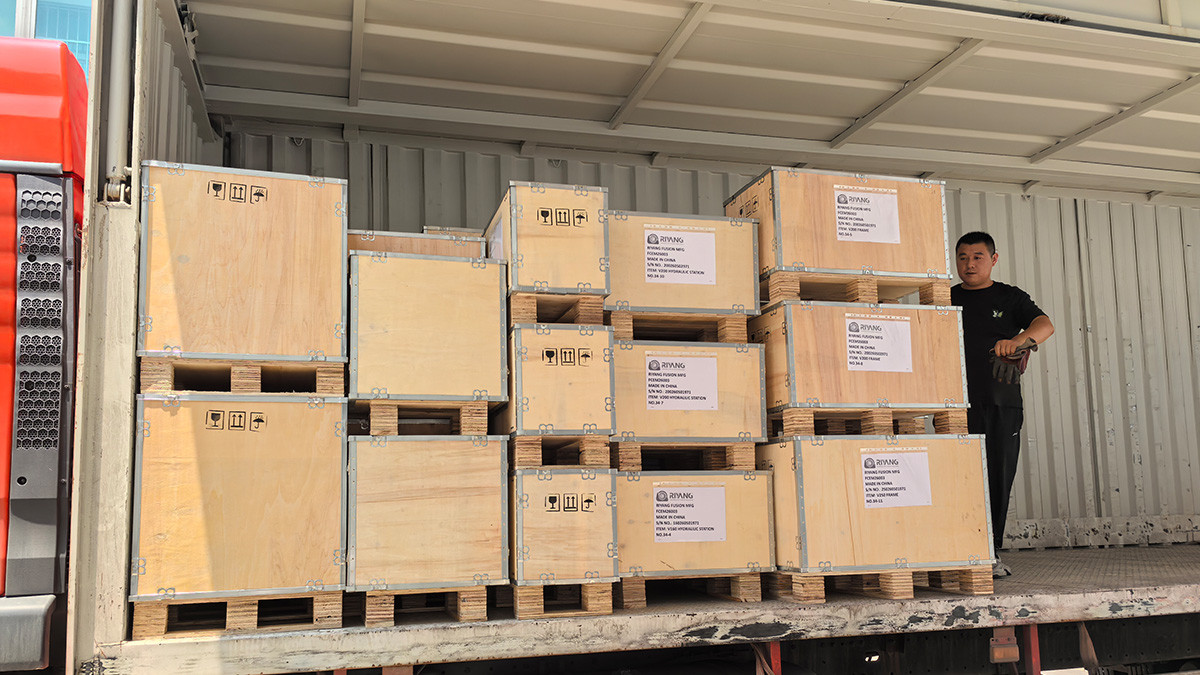
Shipping errors cause avoidable delays and cost, so lock details before dispatch. Large trailer butt fusion machines often exceed standard container dimensions—confirm whether the machine disassembles or needs an open-top or flat-rack container, and verify height and width against route clearances. Agree the Incoterm clearly so responsibilities for freight, insurance, and customs are defined. Prepare the document set (commercial invoice, packing list, bill of lading, certificate of origin) plus any destination-specific certificates. Confirm the destination port and the final overland leg, and arrange a crane or forklift at both ends. Finally, agree a delivery timeline with buffer for customs clearance, and photograph the machine and crate before loading for insurance records.
Which documents are usually needed for customs clearance of HDPE fusion machines?
Detailed Explanation
The commercial invoice and packing list drive the customs declaration. They must state the machine description, HS code, quantity, unit and total value, net and gross weight, and country of origin, and those figures must match the bill of lading or air waybill exactly—any mismatch between invoice, packing list, and transport document is the most common cause of a clearance hold. The bill of lading (sea) or air waybill (air freight) is the title document the importer needs to take delivery, so confirm the consignee and notify-party details match the buyer's import registration.
Depending on the destination, you may also need a certificate of origin to claim tariff preferences under a trade agreement, and a certificate of conformity or pre-shipment inspection report for regulated markets. Share scanned copies with the buyer's customs broker before the shipment lands so clearance can start while the machine is in transit.
When is air freight justified for urgent pipe repair or shutdown projects?
Detailed Explanation
Air freight is a speed-versus-cost trade-off. A full butt fusion machine is heavy and bulky, so flying it can cost several times more than sea freight, and large trailer machines may exceed aircraft cargo-door dimensions or weight limits—for those, sea freight or a sea-plus-inland-trucking combination is usually the only practical option. Air is therefore reserved mainly for compact, high-value spares and for the single critical machine a shutdown cannot wait for.
The decision rule is simple: compare the air-freight premium against the daily cost of delay. On a water or gas shutdown, one extra day of crew standby, equipment rental, accommodation, or contractual penalty can exceed the entire air-freight charge, making air the cheaper option in total project cost. Once air is chosen, arrange cargo details early—exact dimensions and gross weight, a dangerous-goods declaration for hydraulic oil, battery restrictions on data loggers, and the air waybill plus any destination customs documents—because these steps take time before the flight. Air freight is also worth considering when sea transit is unreliable or the destination is landlocked and trucking from a seaport would add weeks.
Distributor Support
What support should a distributor expect from an HDPE fusion machine manufacturer like Riyang?
Detailed Explanation
A distributor's success depends as much on the manufacturer behind the machine as on the machine itself. Training is the foundation: expect on-site or remote training covering machine operation, fusion standards (ISO 21307, DVS 2207-1, ASTM F2620), troubleshooting, and data logger use, plus refresher sessions when new models launch. Demo machine access lets you stage live welding trials so customers see real bead quality on their own pipe. Service response should be defined by a clear SLA, covering remote video diagnosis, parts dispatch times, and escalation to factory engineers, so a stopped project in your region is never left waiting. A recommended local parts list, including facer blades, a heating plate, clamp inserts, hydraulic seals and hoses, and thermocouples, keeps the most common failures fixable overnight. Complete documentation, from operation manuals and welding parameter charts by pipe size and standard to maintenance schedules and a spare parts catalog, removes guesswork for your technicians and end customers. Co-marketing support such as product datasheets, technical articles, localized SEO content, and joint webinars feeds your lead pipeline. Finally, expect active help qualifying customer projects (pipe diameter, wall thickness, standard, volume, power supply, and site conditions) and handling objections on price, warranty, and after-sales service.
How can distributors use demo machines to sell butt fusion equipment more effectively?
Detailed Explanation
A demo machine turns an abstract pitch into proof, so treat it as your highest-converting sales tool rather than a showroom ornament. Choose the unit strategically: pick the hydraulic or automatic model most of your buyers actually need, and keep a full set of clamp inserts plus a spare heating plate so you can weld the pipe sizes customers really use, not just the sizes you happen to have. Prepare before every demo, confirming the customer's pipe diameter, SDR, and standard (ISO metric, IPS, or DIPS), cutting clean test stubs, and verifying power and site space so the demo never stalls mid-weld. During the demo, show the steps buyers can measure: facing until the pipe ends are square, correct heating plate temperature, fusion pressure, and the even double bead that indicates a good joint. Let the customer's own operator run a weld under supervision, which removes the 'my crew can't do this' objection. Capture the result by recording the weld parameters, photographing the finished bead, and giving the customer a welded coupon and the machine's data sheet to take back to their decision-makers. Always anchor the demo to the buyer's own project (their pipe size, application, and output target) so the machine reads as a solution to their job rather than a generic product, then follow up promptly with a quotation, a trial or rental-to-own option, and a clear next step.
Need a Pipe Fusion Machine Recommendation?
Share your pipe size, material, project standard, and delivery country. A technical recommendation can compare machine range, accessories, spare parts, and documents before you order.