

HDPE Welding Machine Troubleshooting: 12 Common Problems and Field Checks
A poor butt fusion joint does not automatically mean the machine is defective. Pipe contamination, incorrect parameters, drag pressure, unstable power and operator sequence can produce symptoms that look mechanical. A disciplined troubleshooting routine starts with safety, then checks the hydraulic, heating, facing, alignment and control systems one at a time. Never continue welding if the machine cannot hold the required temperature, pressure or alignment.
12 Common HDPE Welding Machine Problems and Field Checks
Work through these checks in order, isolating machine faults from process faults as you go. Where a check requires an approved service procedure, follow the manufacturer documentation rather than improvising adjustments.
1. The machine will not build hydraulic pressure
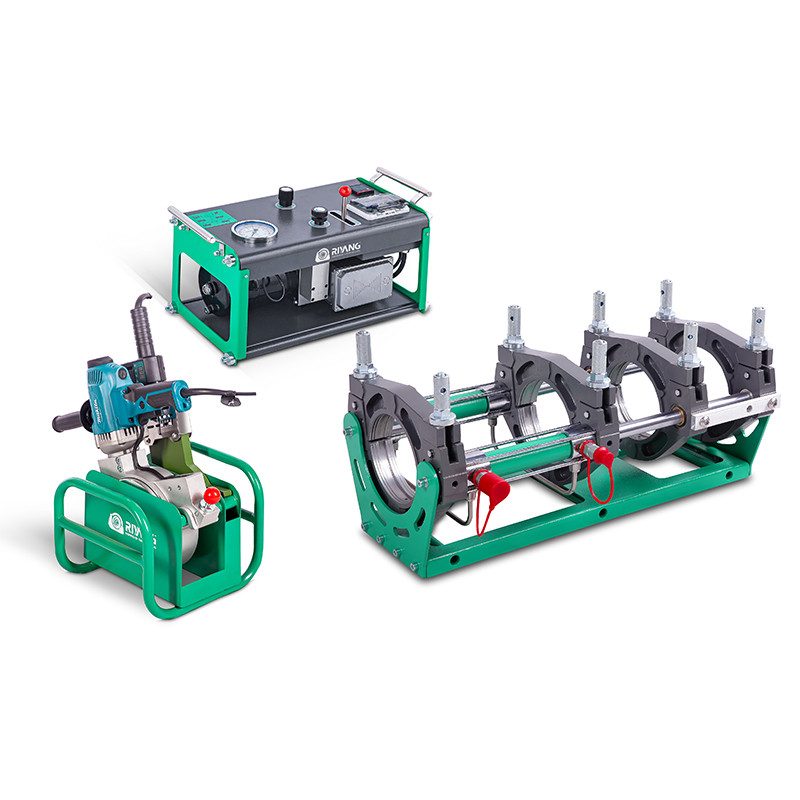
Check hydraulic oil level, visible leaks, hose connections and quick couplers. Confirm the pump motor is running in the correct direction where applicable. A relief valve set too low, a worn pump or an internal valve leak can also prevent pressure build-up. Do not compensate by randomly adjusting valves; compare the reading with the machine manual and approved service procedure.
2. Pressure builds but slowly drops
Pressure decay can come from external leakage, worn cylinder seals, leaking couplers, control valves or a pressure gauge that is not reading correctly. Clean the machine first so fresh leakage is visible, then isolate sections of the circuit only if the service procedure permits it. For deeper pressure-loss diagnostics, review the RIYANG butt fusion machine selection and service guidance.
3. The heater does not reach set temperature
Verify supply voltage, plugs, cables, breakers and the controller set point. If power is correct, the heating element, sensor, solid-state relay or controller may need testing by qualified personnel. A heater that reaches temperature very slowly can also indicate low supply voltage or a failing element.
4. Heater temperature is uneven
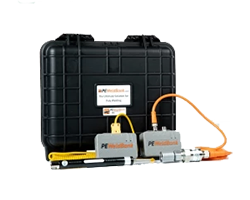
A controller may show the correct value while the plate surface has hot and cold zones. Verify temperature using an appropriate calibrated surface-temperature method and the manufacturer procedure. Damage to the heating element, sensor placement or plate condition can create non-uniform heating. Do not weld until the heater is within the required tolerance for the procedure.
5. Pipe sticks to the heater plate
Inspect the non-stick surface for damage and contamination. The plate should be clean before each fusion cycle using methods that do not scratch the coating. Excessive temperature or an unsuitable cleaning tool can shorten coating life. A badly damaged plate surface should be serviced rather than masked with release agents.
6. The facer runs but cuts unevenly
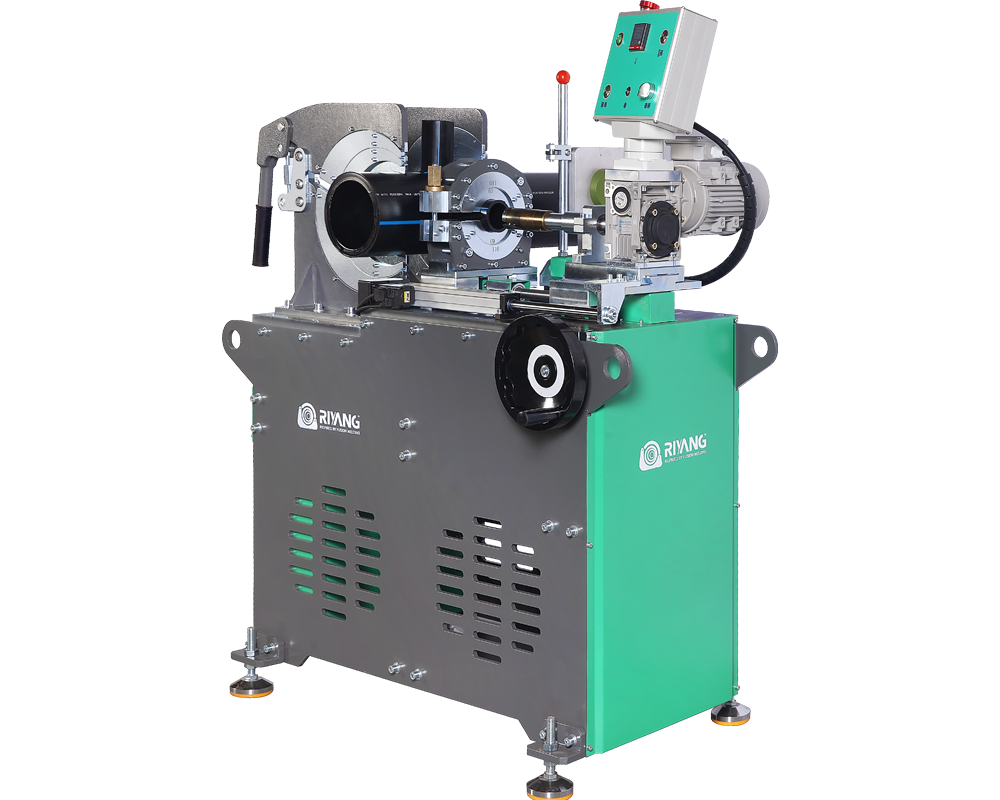
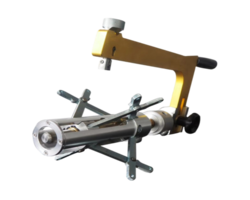
Check blade condition, blade installation, facer seating and pipe clamping. A loose or deformed support can allow the cutting plane to shift. Confirm that both pipe ends produce continuous, even shavings and that the faced ends meet squarely without a visible gap.
7. The facer stalls under load
Inspect the power supply, motor or drill unit, transmission and cutting blades. Dull blades increase load dramatically. On equipment that uses a replaceable commercial power unit, local replacement can reduce downtime, but the replacement must meet the manufacturer specification.
8. Pipe ends are misaligned after facing
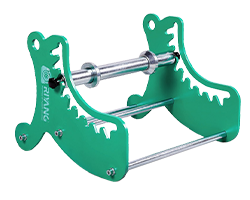
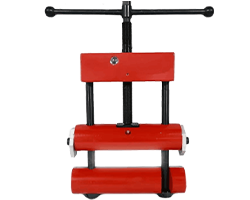
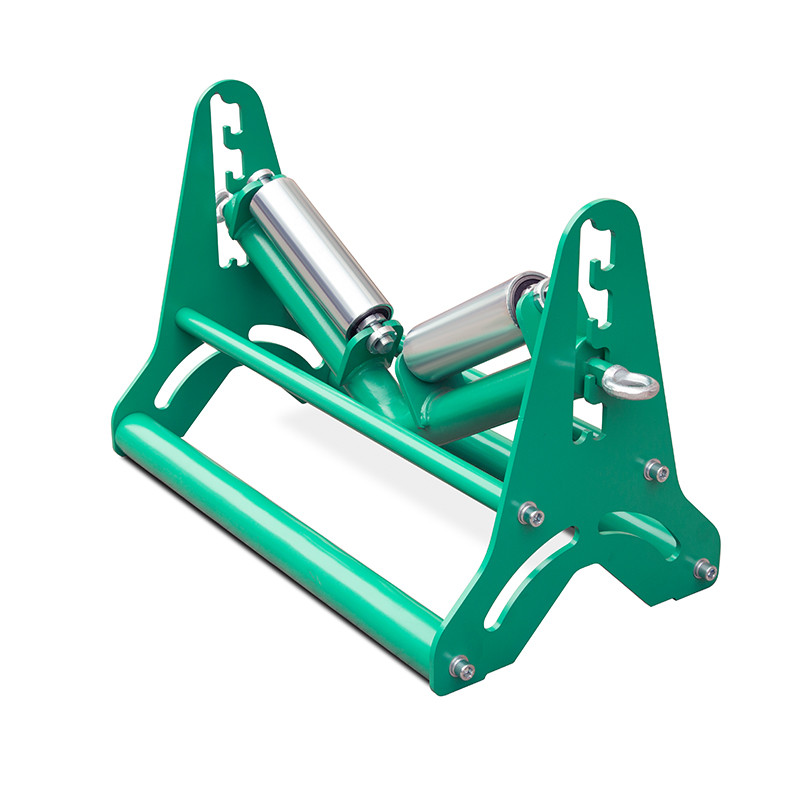
Check inserts, clamp condition, pipe support and the machine frame. Heavy pipe hanging outside the machine can twist the carriage and create hi-low. Use pipe rollers or supports to keep the pipe centerline aligned with the machine. Do not use excessive clamping force to hide a support problem.
9. Drag pressure changes from joint to joint
Ground friction, pipe curvature, slope and poor roller placement can change the force needed to move the carriage. Re-measure drag when the pipe setup changes. If drag is unstable, improve pipe support and alignment before changing the welding pressure.
10. Breakers trip or the generator struggles
Add the heater, facer, hydraulic unit and auxiliary loads and compare them with the generator continuous rating, voltage and phase. Long undersized extension cables can create voltage drop. Large heaters can draw significant power during warm-up, so generator selection should include an appropriate margin.
11. The control screen or data logger does not save records
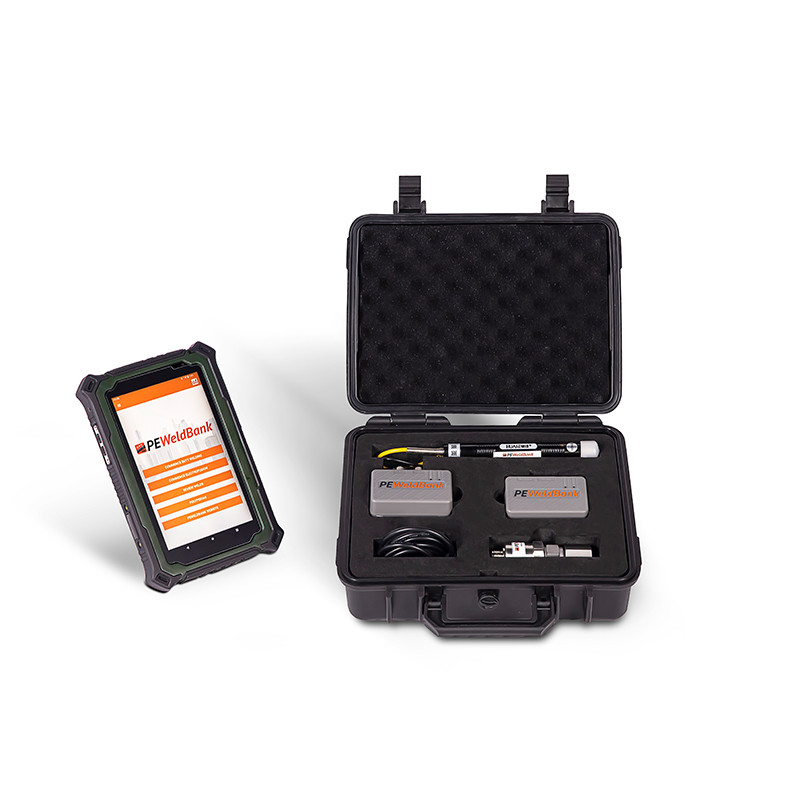
Check user login, project settings, available memory, USB device format and software messages. Protect the control box from water ingress and unstable power. For connected machines, remote diagnostics can help identify software or configuration issues without waiting for an onsite visit.
12. The weld bead looks wrong even though the machine runs
Treat the bead as a process clue, not proof by itself. Uneven beads can indicate misalignment; very small or excessive beads can point to heating or force problems; contamination can create irregular surfaces. Compare the joint with the acceptance criteria in the project procedure and investigate the relevant machine variables before making the next joint.
Build a Repeatable Fault Report
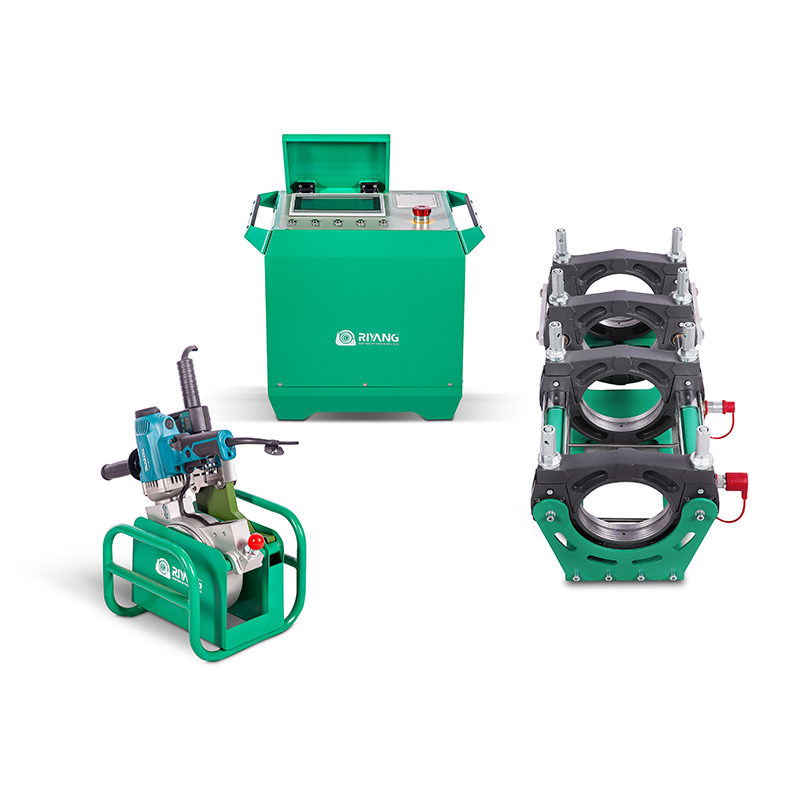
For faster technical support, record a structured report. A clear report often turns a vague “machine problem” into a quickly testable cause.
- Machine model and serial number
- Pipe OD, SDR and material
- Fusion standard and project procedure
- Ambient conditions and generator details
- Set and actual temperature, drag and fusion pressure
- Photos or video of the exact step where the problem appears
Browse the full RIYANG butt fusion machine range to confirm which system your fault report should reference.
FAQ
Why does my butt fusion machine lose pressure?
Common causes include external hydraulic leaks, worn seals, leaking quick couplers, valve leakage, pump wear or an inaccurate gauge. Diagnose systematically rather than increasing the pressure setting.
Can I weld if the heater reaches temperature but the surface is uneven?
No. The fusion surface needs to meet the temperature requirements of the approved procedure. Verify and service the heater before continuing.
Why is drag pressure different on each weld?
Pipe position, slope, curvature, ground friction and roller support can change carriage resistance. Recheck drag when the setup changes.
If a fault cannot be isolated safely, record the model, serial number, symptoms, pressure/temperature readings and photos, then contact RIYANG technical support with your report.