

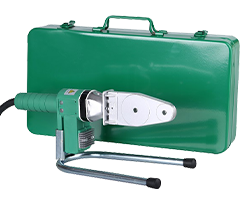
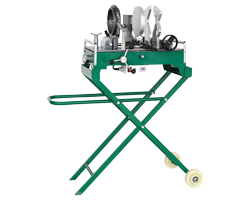
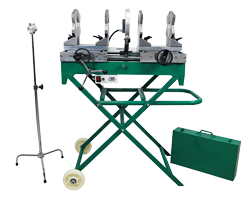
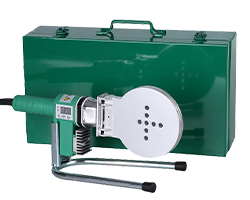
HDPE Pipe Fusion Machines: Forging a Greener Future with Sustainable Infrastructure
In an era where environmental responsibility is paramount, the construction and infrastructure sectors are shifting toward greener solutions. High-Density Polyethylene (HDPE) piping, joined by the reliable method of heat fusion, stands at the forefront of this movement. The HDPE pipe fusion machine is more than just a tool; it is a key enabler of sustainable development, creating resilient and eco-friendly networks for water, gas, and other critical resources.
What is HDPE Pipe Fusion?
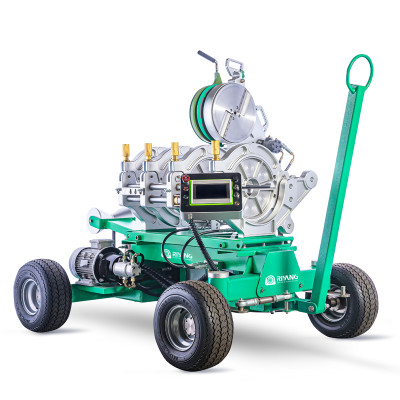
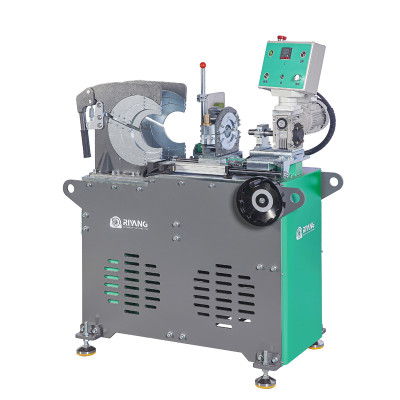
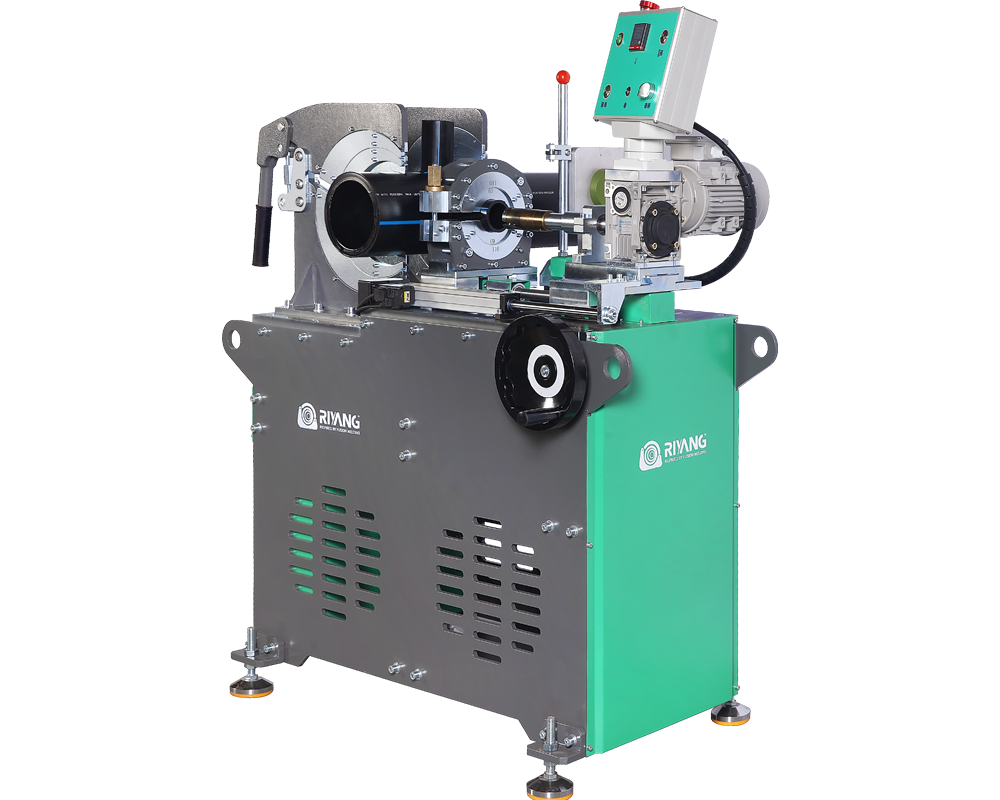
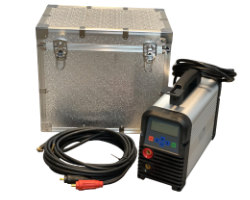
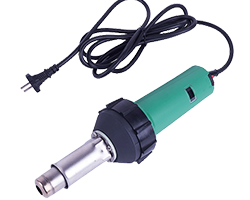
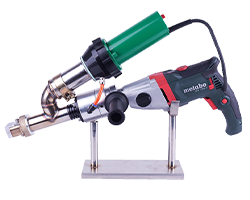
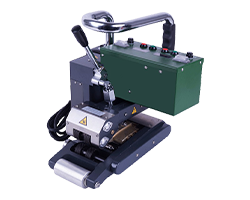
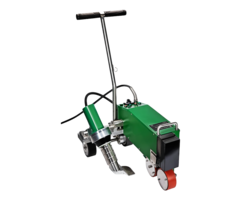
HDPE pipe fusionis a process that uses heat and pressure to join two sections of polyethylene pipe. The machine heats the pipe ends to a precise molten temperature and then presses them together. As the material cools, it fuses into a single, homogeneous piece. The resulting joint is as strong as, or even stronger than, the pipe itself, creating a monolithic and continuous pipeline. This technique eliminates the weaknesses found in traditional jointed pipes, paving the way for superior performance and sustainability.
The Core of Sustainability: Achieving Leak-Free Systems
One of the greatest environmental challenges in water management is loss through leaking pipes. Traditional piping systems with bell-and-spigot or mechanical joints are prone to leakage, wasting a precious resource and potentially contaminating the surrounding ground. HDPE pipe fusion creates completely leak-proof joints. This ensures that every drop of water or liter of gas is safely contained and transported, conserving resources and protecting the environment from contamination.
Durability By Design: The 100-Year Pipeline
Sustainability is intricately linked to longevity. Infrastructure that needs frequent repair or replacement consumes more materials, energy, and financial resources. HDPE pipes are renowned for their exceptional durability and a service life that can exceed 100 years. They are highly resistant to corrosion, abrasion, and chemicals, meaning they won't degrade or rust like metal pipes. This long lifespan drastically reduces the lifecycle cost and environmental impact of a piping system.
The Role of Fusion Machines in Ensuring Longevity
The long service life of an HDPE pipeline depends entirely on the quality of its joints. This is where high-quality HDPE fusion machines are critical. By providing precise control over temperature, pressure, and time, these machines ensure that every fusion joint is perfect. This repeatable, reliable process guarantees that the pipeline's strength is not compromised, allowing it to withstand ground shifts, pressure fluctuations, and other environmental stressors for a century or more.
Closing the Loop: HDPE's Superior Recyclability
Unlike many construction materials, HDPE is fully recyclable. At the end of its extensive service life, HDPE pipe can be dug up, ground down, and reprocessed into new pipes or other plastic products. This circular economy approach minimizes landfill waste and reduces the demand for virgin petroleum-based resources. The fusion process itself does not introduce foreign materials, ensuring the purity of the HDPE and making it easier to recycle.
Minimizing Impact: Trenchless Technology and HDPE Fusion
Traditional pipe installation involves digging long, disruptive trenches. This method damages landscapes, disrupts traffic, and releases a significant amount of carbon. HDPE’s flexibility and strength make it the ideal material for trenchless installation methods, like Horizontal Directional Drilling (HDD). By using an HDPE fusion machine to create long, continuous strings of pipe on the surface, contractors can then pull the pipeline through a small, drilled path underground, preserving the ecosystem, communities, and historical sites above.
Lowering the Carbon Footprint of Installation
The environmental benefits of HDPE extend to its entire installation process. The production of HDPE pipe requires significantly less energy compared to materials like ductile iron and concrete. Furthermore, because HDPE is lightweight, it requires less fuel to transport to a job site. When combined with trenchless installation, which uses fewer heavy machines and takes less time, the overall carbon footprint of an HDPE project is drastically lower than that of traditional piping projects.
Superior Flow, Lower Energy Consumption
The inner surface of an HDPE pipe is exceptionally smooth, which means less friction as fluids pass through it. This hydraulic efficiency allows pumps to work less hard to move water or other fluids through the network. Over the 50- to 100-year lifespan of the pipeline, this translates into significant energy savings and a corresponding reduction in greenhouse gas emissions from power generation. It’s a subtle but powerful long-term environmental benefit.
Chemical Purity: A Win for Environmental Safety
HDPE is an inert material that does not corrode or require protective chemical coatings. Metal pipes can rust and leach contaminants into drinking water or an open trench can expose the surrounding soil to whatever is being transported. With HDPE fusion, the seamless and non-reactive nature of the pipe ensures the purity of the fluid inside and prevents any harmful substances from leaking out into the environment. This is critical for both potable water systems and for safely conveying industrial or waste liquids.
Choosing the Right HDPE Fusion Machine for Sustainable Projects
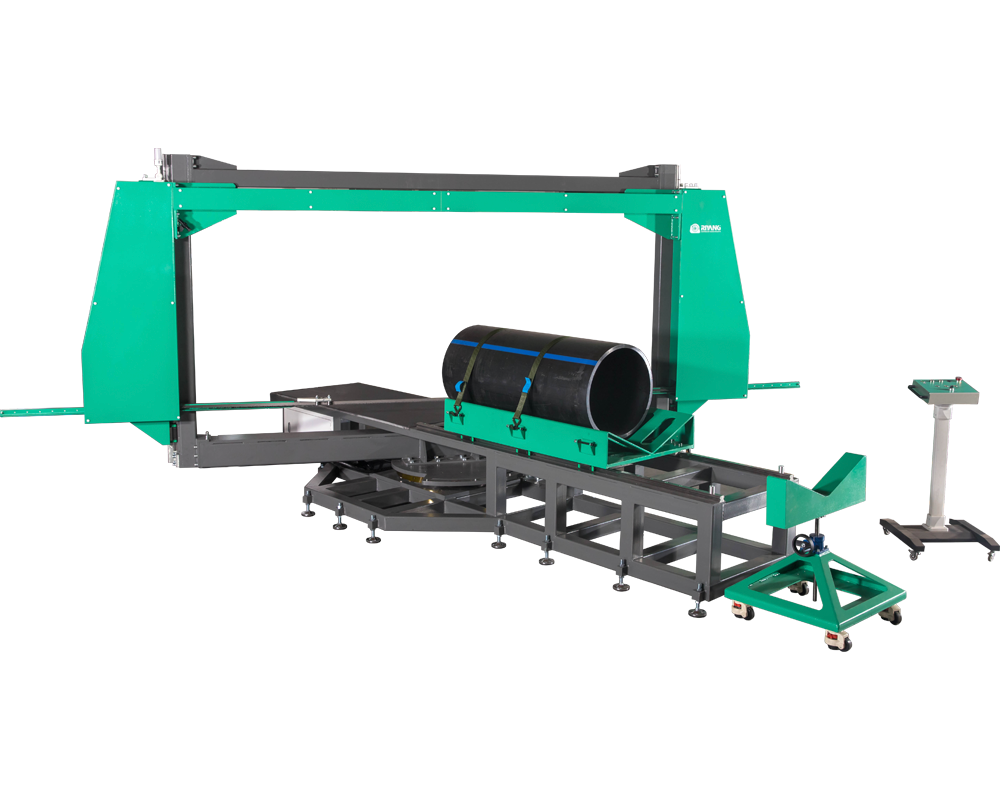
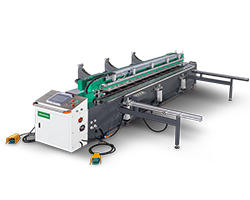
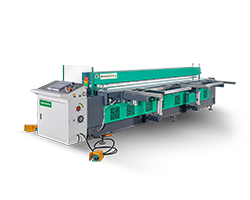
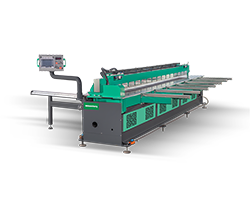
To achieve these environmental benefits, selecting the right equipment is crucial. A modern HDPE fusion machine should offer:
- Data Logging: The ability to record the parameters of each fusion joint for quality assurance.
- Automated Controls: Precise, computer-controlled heating and pressure cycles for consistency.
- Durability: Robust construction to handle tough job site conditions.
- Versatility: The ability to fuse a wide range of pipe sizes and specifications.
Investing in a reliable fusion machine is an investment in the long-term integrity and sustainability of the entire infrastructure project.
Sustainability Comparison: HDPE vs. Traditional Materials
| Feature | HDPE (Fused) | Ductile Iron (Jointed) | Concrete (Jointed) |
|---|---|---|---|
| Joint Type | Monolithic, Leak-Proof | Gasketed, Leak Prone | Gasketed, Leak Prone |
| Service Life | 50-100+ years | 50-75 years, prone to rust | 50-75 years, prone to cracks |
| Corrosion Resistance | Excellent | Requires coatings | Susceptible to chemical attack |
| Recyclability | 100% Recyclable | Recyclable, high energy | Difficult to recycle |
| Carbon Footprint | Low | High | Very High |
| Trenchless Friendly | Yes, highly flexible | No | No |
Conclusion: Building Responsibly with HDPE Fusion
HDPE pipe fusion machines are at the heart of a paradigm shift in infrastructure. By enabling the creation of leak-proof, long-lasting, and-lower impact pipelines, they empower engineers and contractors to build for the future. Choosing HDPE and the fusion method is a commitment to resource conservation, environmental protection, and fiscal responsibility. It is a fusion of strength and sustainability, ensuring that the critical networks we rely on are as resilient and green as possible.