

Butt Fusion Pressure Explained: Drag Pressure, Interfacial Pressure and Gauge Pressure
Butt fusion discussions often use one word—pressure—for several different quantities. The pressure required at the pipe interface is not the same as the hydraulic gauge reading, and drag pressure is another variable again. Mixing these values can produce a joint made with too little or too much force.
Interfacial Pressure
Interfacial pressure is the force per unit area required at the pipe fusion interface by the selected procedure. It relates to the annular cross-sectional area of the pipe wall. The required value comes from the applicable fusion standard or approved procedure; it should not be guessed from a previous job.
Fusion Force
Once interfacial pressure and pipe wall area are known, the required fusion force can be determined. Pipe OD and SDR matter because they define the wall dimensions and therefore the area over which the interfacial pressure acts.
Effective Piston Area
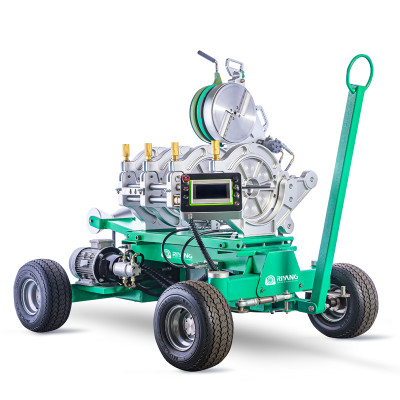
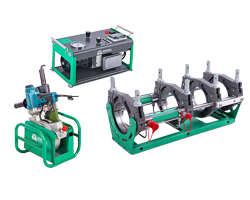
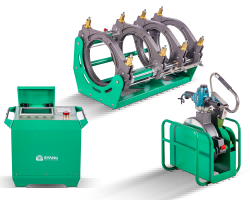
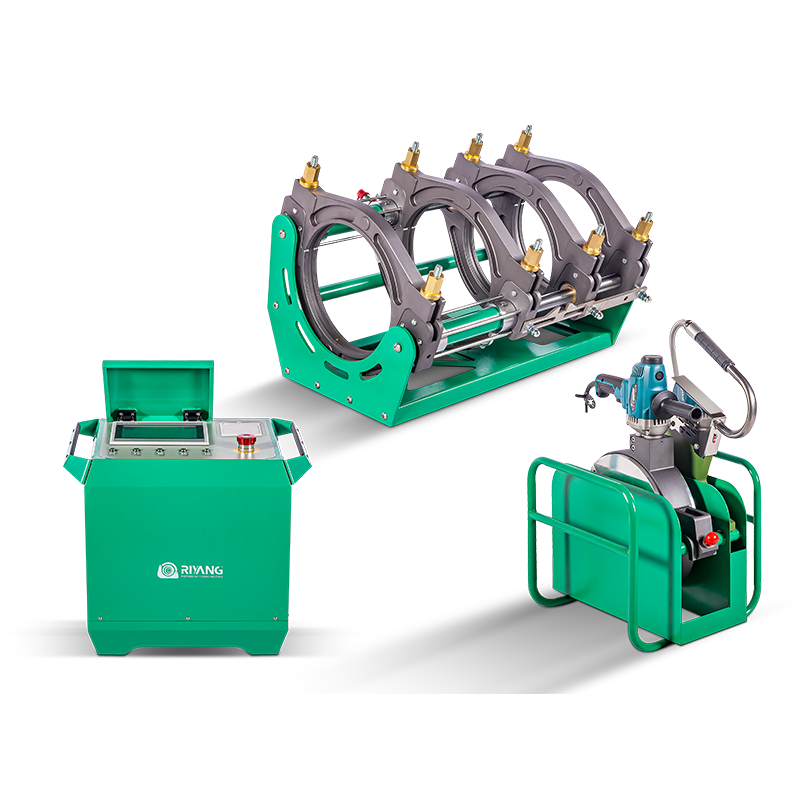
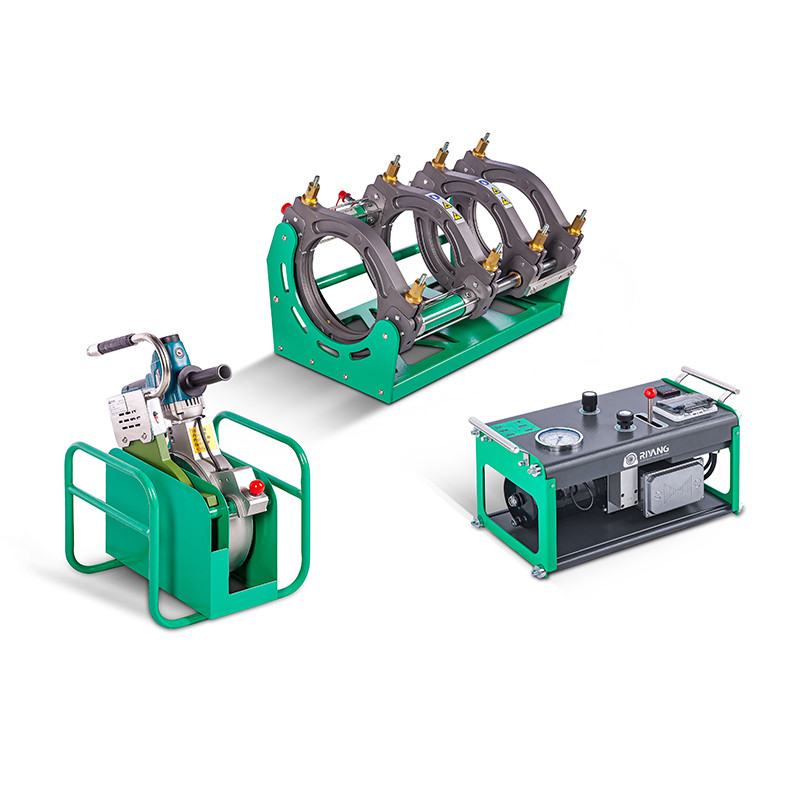
A hydraulic butt fusion machine converts hydraulic pressure into carriage force through its cylinders. The manufacturer provides the total effective piston area for the machine. Because machines can use different cylinder sizes, the same pipe and fusion procedure can require different gauge readings on different machines.
Gauge Pressure
Gauge pressure is the hydraulic pressure the operator sees on the machine gauge or control system. It is calculated from the required fusion force and the machine effective piston area, with drag pressure handled as specified by the procedure and manufacturer. This is why copying a gauge pressure from another brand or model is unsafe.
Drag Pressure
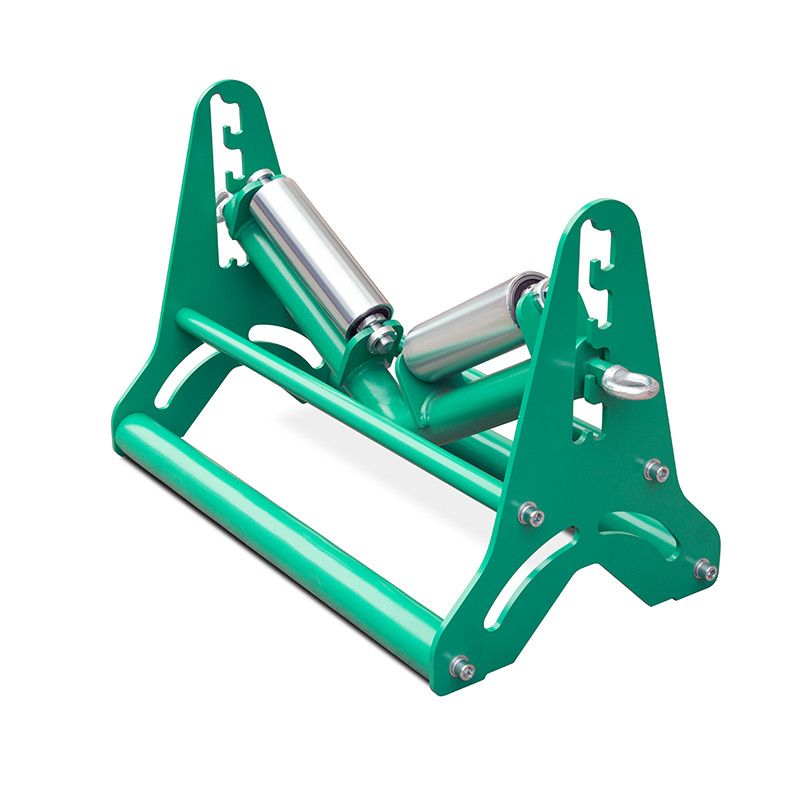
Drag pressure is the hydraulic pressure required to move the carriage and attached pipe before fusion force is applied. It can come from machine friction, pipe weight, ground contact, slope, curvature and poor support. Drag should be measured under the actual setup and rechecked when conditions change.
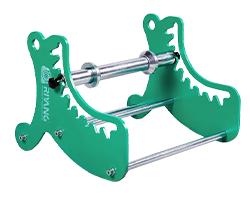
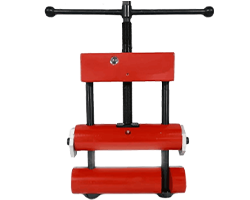
Why Pipe Rollers Can Improve Pressure Control
When pipe rests directly on rough ground, friction can vary as the carriage moves. Properly positioned rollers convert sliding friction into rolling resistance and keep the pipe closer to the machine centerline. This can reduce and stabilize drag, making the required gauge pressure easier to control.
A Conceptual Calculation Sequence
A safe calculation workflow is: identify the approved procedure; determine pipe OD and wall thickness/SDR; determine the pipe interfacial area; apply the procedure interfacial pressure to obtain required force; use the machine effective piston area to convert force to hydraulic pressure; then account for measured drag in the manner specified by the machine and procedure. RIYANG's selection guide publishes an ISO 21307 example for a V315, but project calculations should use the exact current inputs.
The six-step pressure workflow
- Identify the approved fusion procedure and standard.
- Determine pipe OD and wall thickness / SDR.
- Calculate the pipe interfacial area.
- Apply interfacial pressure to obtain required force.
- Convert force to hydraulic gauge pressure using the machine piston area.
- Account for measured drag pressure as the procedure specifies.
Common Mistakes
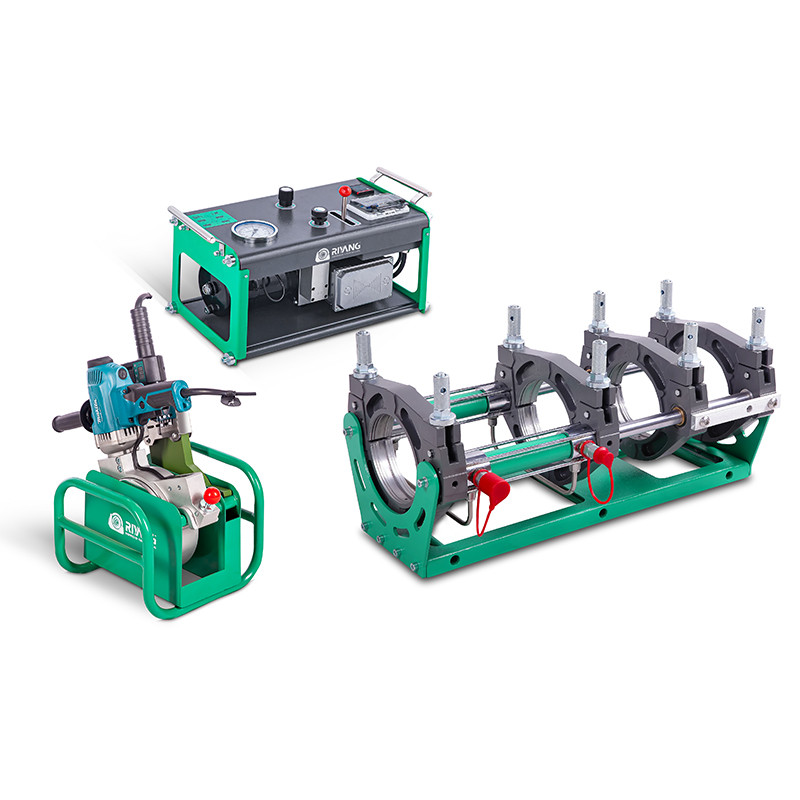
Frequent errors include using nominal pipe size instead of actual OD, entering the wrong SDR, using piston area from another model, ignoring a change in drag, mixing bar and MPa, and combining values from different fusion standards. Automatic systems can reduce calculation and timing errors, but only when the correct pipe and standard are selected.
Quick check before every weld
- Confirm actual pipe OD, not the nominal size.
- Enter the correct SDR and pipe material.
- Use this machine's piston area, not another model's.
- Re-measure drag after any setup change.
- Keep bar and MPa consistent throughout the calculation.
Keep the Calculation Auditable
For quality-controlled projects, record the machine model, piston area reference, pipe data, procedure, drag measurement and resulting target pressure. This makes the setting explainable to supervisors, inspectors and future operators rather than relying on memory. You can review RIYANG's published Butt Fusion Machine Selection Guide for a worked ISO 21307 example, and browse the full Butt Fusion Machine category to match a machine to your pipe range.
FAQ
Is fusion pressure the same as the hydraulic gauge pressure?
No. Interfacial pressure is a requirement at the pipe interface. Hydraulic gauge pressure depends on the required force and the machine cylinder/piston area, plus drag treatment.
Why can two machines show different gauge pressure for the same pipe?
Their effective piston areas can be different, so the hydraulic pressure needed to create the same carriage force can differ.
When should drag pressure be rechecked?
Recheck when pipe length, support, slope, ground conditions or carriage resistance changes.
Summary and Next Steps
Interfacial pressure is a requirement at the pipe; gauge pressure is what the operator reads on the hydraulic system; drag pressure is what the carriage must first overcome. Converting correctly between them—using the right pipe data and the machine's own piston area—is what turns a specification into a sound weld. If you need the correct welding table for your setup, tell RIYANG your exact machine model, pipe OD, SDR, material and project fusion standard for a configuration-specific recommendation. For any remaining questions, visit the RIYANG Support FAQ.