


Pipe Squeeze-Off Tools for PE Pipelines: Manual vs Hydraulic Selection and Safety Checks
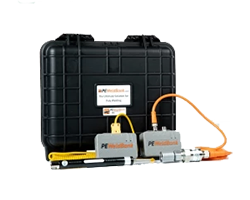
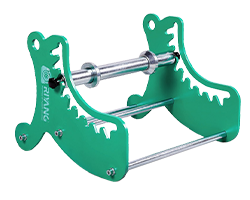
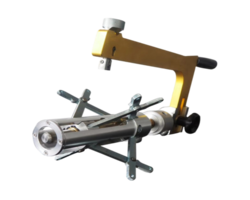
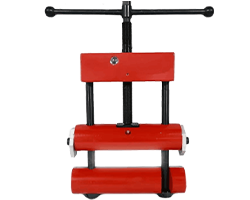
Squeeze-off temporarily stops or reduces flow through a polyethylene (PE) pipe by compressing it flat with a mechanical or hydraulic tool. It is used mainly for emergency isolation and maintenance on PE gas and water lines. Manual tools suit smaller diameters and occasional work; hydraulic tools handle larger pipe with less operator effort. Correct stop settings, spacing from joints, and re-rounding after release are essential to avoid damaging the pipe. Squeeze-off is a flow-control technique rather than a joining method. A pair of opposed bars is closed around a PE pipe until the walls touch and flow stops, isolating a section of line without cutting the pipe. The technique is common for emergency gas shut-off, service-line replacement, valve or fitting installation, main-extension tie-ins, and retiring an old service connection. ASTM F1041, Standard Guide for Squeeze-Off of Polyethylene Gas Pressure Pipe and Tubing, describes squeeze-off as the compressing action of a mechanical or hydraulic device used to control gas flow. The guide notes that proper procedures save significant time during emergencies and routine maintenance, while improper squeeze-off can damage the pipe or create a safety hazard. The same underlying principle applies to water service, though the governing codes differ. Squeeze tools fall into two broad families. A manual squeeze-off tool is operated by hand, usually through a screw, lever, or ratchet mechanism that drives the bars together. Manual tools are lightweight, low-cost, and simple to maintain, which makes them well suited to smaller pipe diameters, service connections, and low-volume repair work. The trade-off is that the operator supplies all the closing force, so large or thick-walled pipe can be difficult to compress fully by hand. A hydraulic squeeze-off tool uses a hand pump or powered pump to drive the bars, so the tool generates consistent, controlled closing force with less physical effort. Hydraulic tools are preferred for larger diameters, thicker walls, and repetitive or production work where many squeezes are performed. The force must still be controlled; a hydraulic system is not a substitute for correct stop settings. The table below summarizes the practical differences. Riyang supplies both manual and hydraulic squeeze tools for PE service work. The correct choice depends on pipe diameter, wall thickness, and usage frequency, not a single rule of thumb. Squeeze-off is not suitable for every PE pipe. The tool's bar opening and closing range set a hard limit on pipe outside diameter (OD), and the pipe wall thickness, expressed as a standard dimension ratio (SDR), determines how much force is needed and how the pipe recovers afterward. Before any squeeze, the operator must confirm that the tool is rated for the specific pipe OD and wall range. Material condition matters as much as size. PE pipe becomes less ductile as it ages in service, and a brittle, degraded pipe may crack or fracture instead of flattening and recovering. Squeeze-off should generally be avoided on older or embrittled pipe unless the governing procedure and the pipe's service history support it. Cold weather is a further consideration because polyethylene stiffens at low temperature, so a squeeze performed in cold conditions carries a higher damage risk. Confirm material grade, service age, and ambient temperature before proceeding. The objective is to close the pipe enough to stop flow without over-compressing it. Over-compression stresses the pipe wall, can cause stress whitening or cracking at the squeeze point, and leaves a permanent weak spot that may fail later. To prevent this, squeeze tools are used with a stop setting or gap control that limits bar travel so the pipe is not flattened beyond the safe residual opening. Closing should be slow and steady, never sharp or hammered. The correct residual gap and closing procedure depend on the pipe material, SDR, and tool, and should be taken from ASTM F1041, the governing code, and the tool and pipe manufacturers' recommendations rather than from a generic figure. Leaving the squeeze in place longer than the procedure allows also increases the risk of permanent deformation. Position the squeeze bars perpendicular to the pipe axis and centered on the pipe so the pipe flattens evenly along its diameter. A tilted or off-center tool produces uneven compression, which can kink the pipe or fail to fully stop flow. The squeeze point must be kept clear of fittings, heat-fusion joints, electrofusion couplers, and any previous squeeze location. Squeezing too close to a joint concentrates stress at an already-loaded area and can damage the joint or create a stress riser. The minimum spacing is set by the governing code, project specification, and the tool and pipe manufacturers. Never squeeze directly on or beside a fusion joint. After the work is complete, the squeeze is released slowly so the pipe can recover its shape, then the flattened section is re-rounded to restore a circular cross-section before the line returns to normal pressure. Re-rounding tools or clamps help the pipe regain its round profile and reduce the residual flattening that would otherwise restrict flow or concentrate stress. Inspect the squeeze location afterward for stress whitening, cracks, kinks, or a flattened section that does not recover. If damage is found, the affected length should be cut out and replaced according to the procedure, not simply returned to service. Record the squeeze-off location for later inspection. ASTM F1041 addresses polyethylene gas pressure pipe and tubing, and gas is the most safety-critical application because a damaged squeeze point can leak gas into the surrounding soil or structure. Gas work normally requires a written, qualified procedure, purging and atmosphere checks where required, and confirmation that the pipe is fit for squeeze-off. ASTM F1734 provides a practice for qualifying the combination of squeeze tool, pipe, and squeeze-off procedure to avoid long-term damage. Water service is generally lower-consequence than gas if a leak forms, but the same discipline applies: controlled compression, correct stop settings, spacing from joints, and re-rounding after release. In both cases the governing code and project specification are controlling. It is important to separate mandatory requirements from recommendations. ASTM F1041 is a guide; the governing codes and project specifications are the controlling, mandatory documents, and they take precedence. ASTM F1734 describes how an operator should develop and qualify a squeeze-off procedure for a given tool and pipe combination. The scope of F1041 notes that pipe and squeeze-tool manufacturers may supply recommendations for use with their products, and those recommendations should be followed for the specific equipment. In practice, a compliant squeeze-off rests on four layers: the governing code and project specification (mandatory), a qualified operator procedure per F1734, the tool manufacturer's rated range and stop-setting guidance, and the pipe manufacturer's material and service-age limits. Record the pipe details, tool, procedure reference, and squeeze location for every operation. Choose manual or hydraulic based on pipe diameter, wall thickness, and work volume, then confirm every item below before the squeeze is made. This checklist is a planning aid; it does not replace a qualified written procedure. Not sure which squeeze tool fits your pipe range? Compare Riyang manual and hydraulic options on the pipe squeeze tools page or review the full pipe fusion tools catalog. It temporarily stops or reduces flow through a PE pipe by compressing it flat, allowing isolation of a section for emergency shut-off, repair, or maintenance without cutting the line. Match the tool to pipe diameter, wall thickness, and work volume. Manual tools suit smaller pipe and occasional work; hydraulic tools handle larger, thicker pipe and repetitive jobs with less operator effort. Generally it should be avoided on older or embrittled pipe, which may crack instead of flattening and recovering. Confirm material condition and service age against the governing procedure before squeezing. Compression near a joint concentrates stress at an already-loaded area and can damage the fitting or create a stress riser. The minimum distance is set by the code, specification, and manufacturers. Done correctly, with proper stop settings and re-rounding, the pipe recovers its shape. Over-compression, cold-weather work, or leaving the squeeze in too long can cause permanent damage, so inspection after release is required. Yes, and ASTM F1041 specifically covers PE gas pipe. Gas work requires a qualified procedure per ASTM F1734, plus any purging and atmosphere checks required by the governing code. To select a manual or hydraulic squeeze tool for your pipe range, contact Riyang for a technical recommendation.What Squeeze-Off Is Used For
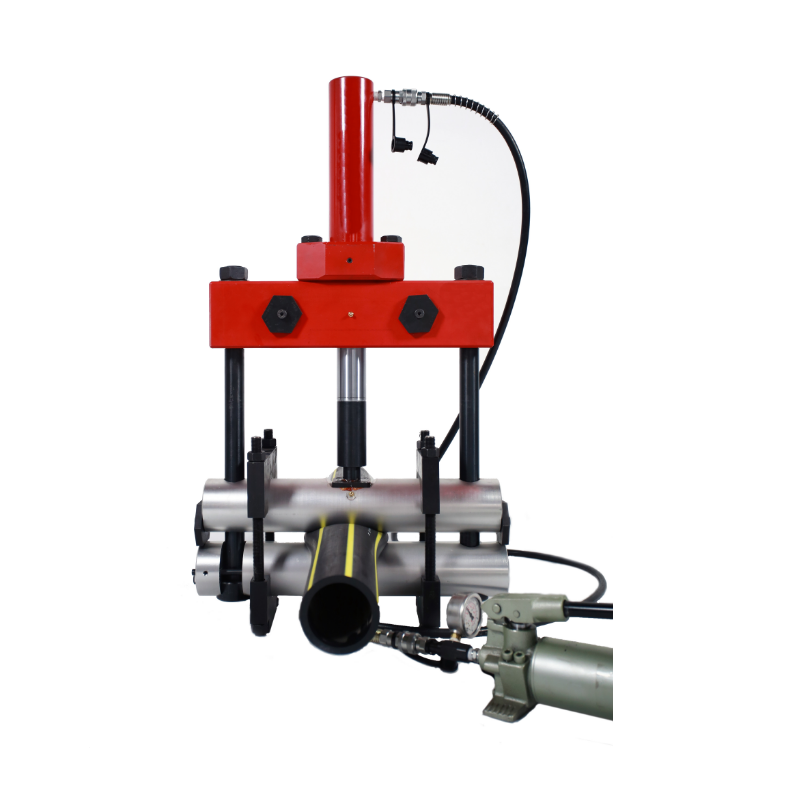
Manual vs Hydraulic Squeeze-Off Tools
Factor Manual Squeeze-Off Tool Hydraulic Squeeze-Off Tool Closing force Operator effort Hand or powered pump Best pipe range Smaller diameters, service lines Larger diameters, thicker walls Cost and upkeep Lower, simpler Higher, more parts Work volume Occasional, low-volume Repetitive, production Force consistency Depends on operator More repeatable Pipe OD, Wall Thickness, and Material Limits
Controlled Compression and Stop Settings
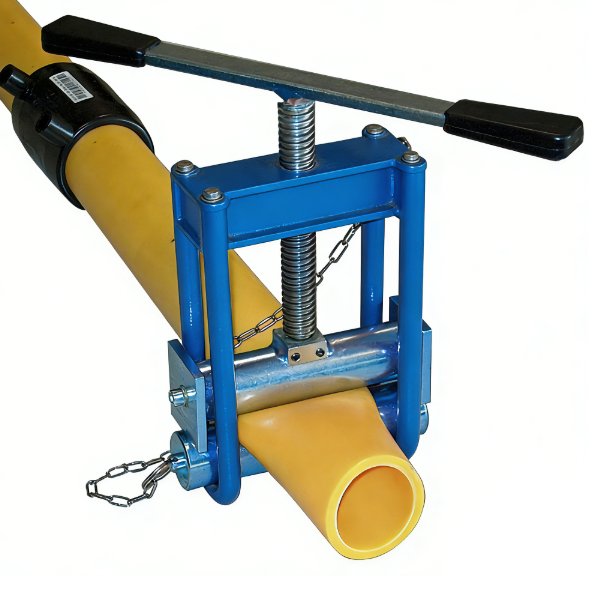
Tool Positioning and Spacing from Fittings and Joints
Re-Rounding and Post-Squeeze Inspection
Gas vs Water Service Considerations
Manufacturer and Project Procedure Requirements
Selection and Pre-Use Checklist
Frequently Asked Questions
What is a squeeze-off tool used for?
How do I choose between a manual and hydraulic squeeze-off tool?
Can squeeze-off be used on old or brittle PE pipe?
Why must the squeeze point be spaced away from fittings and joints?
Does squeeze-off permanently damage the pipe?
Is squeeze-off allowed on gas lines?
Key Takeaways
References