

How to Choose an Electrofusion Machine: Output, Barcode, Data Logging, and Pipe Range
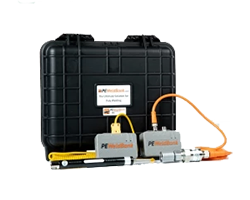
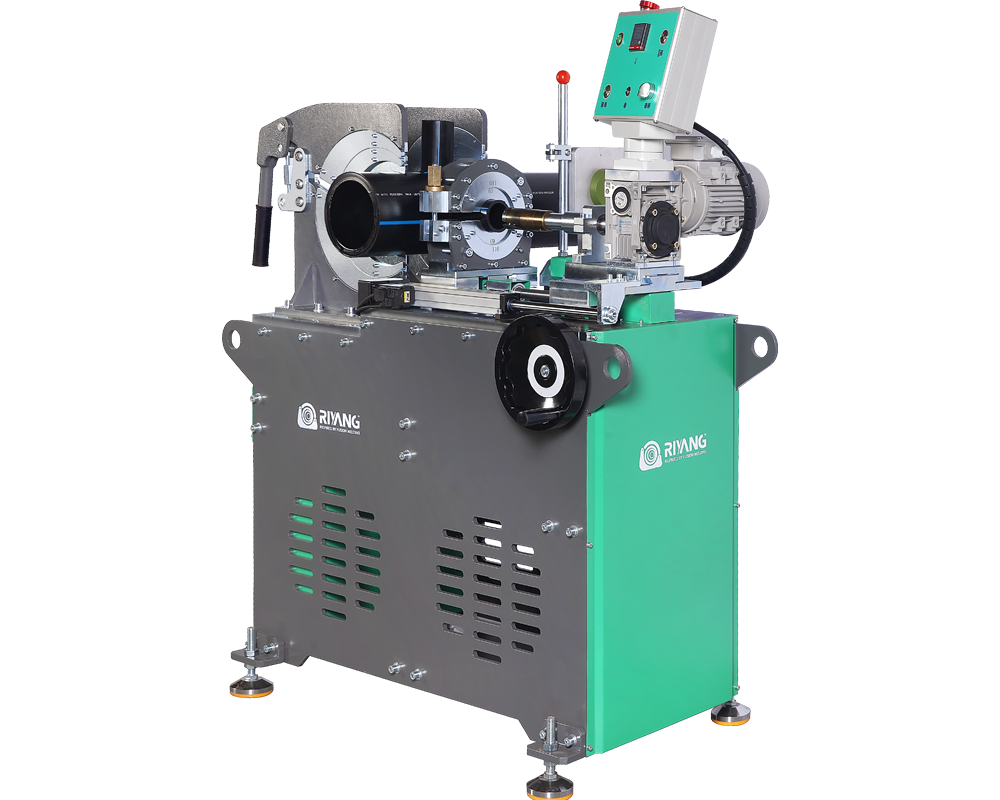
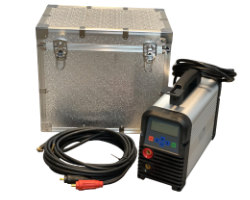
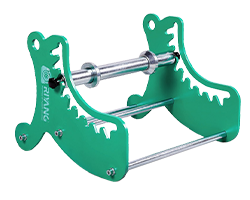
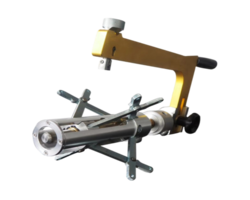
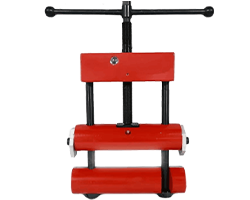
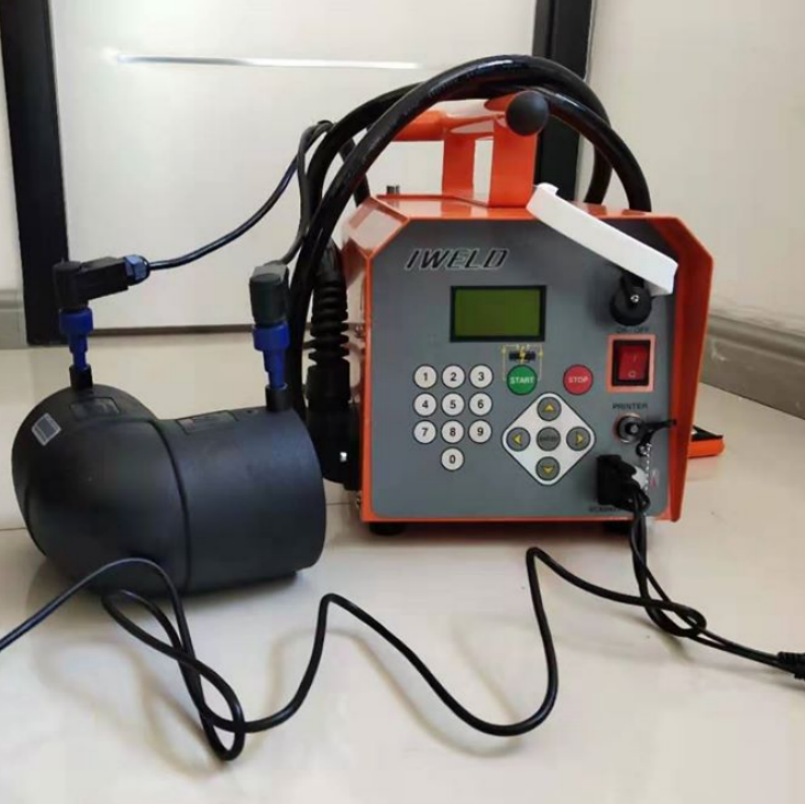
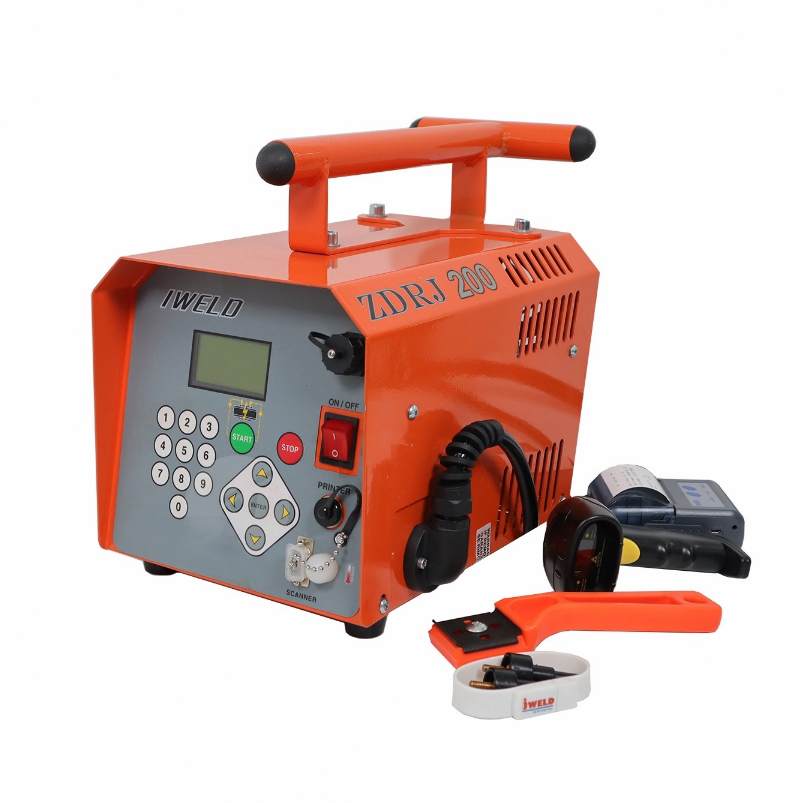
An electrofusion machine supplies controlled electrical current to the resistance wire embedded inside an electrofusion fitting, melting the pipe and fitting surfaces into a single fused joint. Choosing the right unit comes down to four practical checks: whether its constant-voltage or constant-current output matches your fitting range, whether it reads barcodes or needs manual entry, whether it records and traces each weld, and whether your site can power it. This guide works through each criterion in order. Unlike a butt fusion machine, which heats pipe ends with an external heater plate, an electrofusion machine drives an electrical current through a coil of resistance wire moulded into the fitting itself. The machine controls voltage and current, and above all fusion time, so the wire heats the fitting and the pipe wall to the correct melt temperature and holds it there until the joint cools into a homogeneous bond. Most modern units are microprocessor-controlled. They read the fitting's required welding parameters and regulate the energy delivered, shutting off automatically when the cycle completes. This removes most of the operator judgement from the process, but it also means the machine must be correctly matched to the fitting's electrical characteristics, which is why output capability matters as much as the diameter range. Electrofusion fittings are designed to weld at a defined voltage, typically between 8 V and 48 V depending on the fitting. Two control approaches exist. A constant-voltage machine holds the output voltage steady while current varies with the fitting's resistance. A constant-current machine holds the current steady and lets voltage float within a permitted band. In practice, the machine must be able to deliver the fitting's stated fusion voltage and enough current for the resistance of that specific fitting. The relevant question for a buyer is whether the unit's output window covers the fittings you install most often. Check the supplier's voltage and current range against the fitting manufacturer's published welding parameters rather than assuming one size fits all. An electrofusion machine's practical capacity is defined less by a single diameter number and more by the output current it can sustain. Larger fittings contain longer resistance coils and therefore draw more current to reach fusion temperature in the required time. A compact machine with a low current ceiling cannot drive a large-diameter saddle or coupling to completion without an alarm or a failed cycle. These figures are commonly seen across the market, not a fixed standard. Always confirm the specific fitting's resistance and fusion voltage with the fitting manufacturer, then verify the machine's stated output window covers it. Most electrofusion fittings carry a barcode or data label that encodes the fusion parameters, including voltage and fusion time, that the fitting manufacturer has qualified for that product. A machine with a barcode reader scans this code and sets the weld cycle automatically, reducing the risk of a keying error. Manual entry is the fallback. If a label is damaged, unreadable, or missing, the operator must type the parameters in by hand from the fitting's documentation. A buyer should confirm the unit allows manual entry and ideally logs that a manual override was used, since a manually entered weld needs stronger justification in a quality record. Some controllers also accept a USB or memory transfer of fitting parameter libraries. Fusion time is temperature-dependent. On a cold site, the polymer takes longer to reach the melt condition and to cool, while a hot site shortens the effective window. Many machines therefore adjust the weld cycle against ambient temperature, either automatically from an onboard sensor or through a manual temperature entry before the weld starts. Whether this compensation is automatic or operator-entered is a manufacturer feature, not a universal requirement, so verify how the unit you are evaluating handles it. For pipeline work in wide temperature swings, a machine that records the measured or entered ambient temperature alongside the weld parameters produces a more defensible joint record. A data-logging machine stores each completed cycle as a record of time, date, fitting code, fusion voltage, fusion time, and any fault or alarm events. This is the basis of joint traceability: when a utility or contractor asks which operator welded which joint, with what parameters, the log provides the answer. Higher-specification units add GPS coordinates and operator identification to each record, and transfer logs to a PC or cloud system over USB, Bluetooth, or a memory card. Data logging is generally a recommended capability for commercial and utility work rather than a legal requirement for every job, but where a project specification demands traceability, verify the output format is compatible with the client's reporting system. Electrofusion machines run from a mains or generator supply, commonly 220 V single-phase for mid-range units and 110 V on some compact models. The critical check is not just the voltage but the current draw at the start of a weld, which can be several times the running average on a large fitting. An undersized generator causes voltage sag, which triggers low-voltage alarms or a failed weld. Match the generator's continuous and surge rating to the machine's maximum input current for the largest fitting you expect to weld. Some units accept a wider input voltage band or auto-switch between supply standards, which is convenient but should be confirmed in the specification sheet. The machine connects to the fitting through a lead with adapter pins that match the fitting terminal size, commonly 4.0 mm or 4.7 mm depending on the fitting brand and model. Carrying the correct adapter set matters as much as the machine itself, because a mismatched pin gives a poor electrical contact and a false reading. Around the machine, the rest of the electrofusion kit determines joint quality: a pipe scraper or peeler to remove the oxidised surface layer, an alignment clamp or cold ring to hold the joint concentric while it cools, and chamfer or depth gauges to confirm insertion depth. Preparation tools should be treated as part of the same purchase decision as the processor itself. The ISO 12176 series addresses equipment for fusion jointing of polyethylene systems. Within it, ISO 12176-2 covers electrofusion equipment, while ISO 12176-4 covers traceability coding for the fittings. Equipment built and tested against these parts gives a buyer a recognised reference point for conformance. Treat the standard as the baseline, and treat each manufacturer's stated voltage, current, and diameter ranges as their own recommendation to be checked against the fittings you use. Ask for the operating manual, the output specification, and a sample weld report before committing, and confirm how the machine behaves on low voltage, on a damaged barcode, and on a fitting outside its range. If several models pass this checklist, compare them on the two features that cost the most to retrofit later: data logging and the breadth of the output range. Compare Riyang electrofusion equipment against your fitting range before you decide. Not reliably. Output current, not the diameter label, is the limiting factor. A compact unit cannot drive a large-diameter fitting's longer resistance coil, so match the machine's current and voltage window to the largest fittings you install. The weld can still proceed through manual parameter entry, provided the operator has the fitting's documented fusion voltage and time. Confirm the machine logs that a manual override was used so the joint record stays defensible. Not for every job, but it is a strong recommendation for commercial and utility work. Where a project specification or client demands joint traceability, choose a machine whose log format is compatible with their reporting system. Mid-range units commonly run on 220 V single-phase and compact models on 110 V, with larger units drawing more current. The key is a generator rated for the machine's maximum input current so the supply does not sag mid-weld. At minimum, the correct adapter pins for your fitting terminals, a pipe scraper for surface preparation, and an alignment clamp or cold ring to hold the joint while it cools. Treat these as part of the same purchase. This article draws on general industry practice and the following public sources for electrofusion equipment and accessories: Georg Fischer Piping Systems electrofusion machine range, Elbor Welding Technologies electrofusion EF machine specifications, and HDPE Supply electrofusion machines and tooling categories. For product-specific output and range figures, consult the fitting and machine manufacturers' current documentation. See also Riyang electrofusion welding machines for the equipment range covered here.What an Electrofusion Machine Actually Controls
Constant-Voltage and Constant-Current Capability
Pipe and Fitting Range: Resistance and Diameter Limits
Machine class Typical output current Typical fitting range Common input supply Best suited to Compact / light Up to about 40 A Small couplings and saddles 110–240 V Repairs and tight-space work Mid-range Up to about 90 A Medium fittings up to roughly 630 mm 220 V Distribution mains and service connections High-output Up to about 120 A and above Large fittings up to roughly 1200 mm and beyond 220–400 V Large-diameter mains and trunk lines Barcode Scanner and Manual Parameter Entry
Ambient-Temperature Compensation
Data Logging, GPS and Weld Traceability
Generator and Input-Power Requirements
Adapter Pins, Cables, and Preparation Accessories
ISO 12176 Context and Supplier Documentation
Electrofusion Machine Buyer Checklist
Frequently Asked Questions
Can one electrofusion machine weld every pipe size?
What happens if the fitting barcode is damaged?
Is data logging mandatory?
What input voltage do electrofusion machines need?
What accessories do I need beyond the machine?
Key Takeaways
References