

HDPE Pipe Welding Equipment Checklist: What a Pipeline Crew Needs on Site
Think in Systems, Not Only Machines
A butt fusion machine is the center of the operation, but field productivity depends on everything around it. Missing inserts, poor pipe support, an undersized generator or a damaged temperature tool can stop a crew even when the fusion machine is in perfect condition. Build the equipment list around the complete fusion workflow.
1. Fusion Machine Frame and Correct Inserts
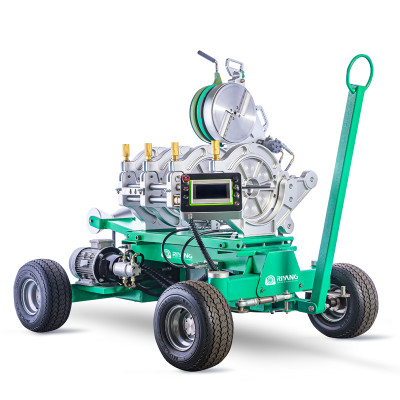
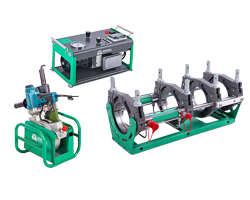
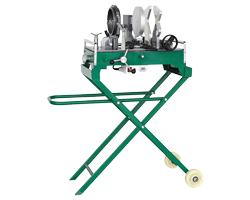
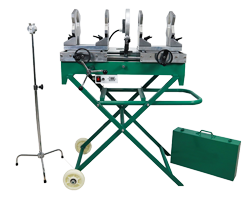
Confirm the frame covers every OD in the work package and that all reduction inserts are present. Check clamps, shafts, cylinders and fasteners before mobilization. For trench work, verify that the frame can be positioned and removed within the available space. Start by reviewing the butt fusion machine range for the diameter coverage your crew needs.

2. Heater Plate and Insulated Stand
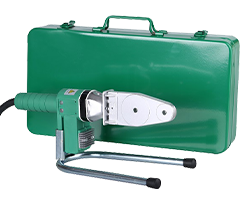
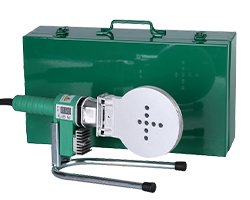
The heater must match the machine and pipe range and have a protected stand that keeps the coated surface away from dirt and impact. Include the correct power cable and any approved temperature verification equipment.
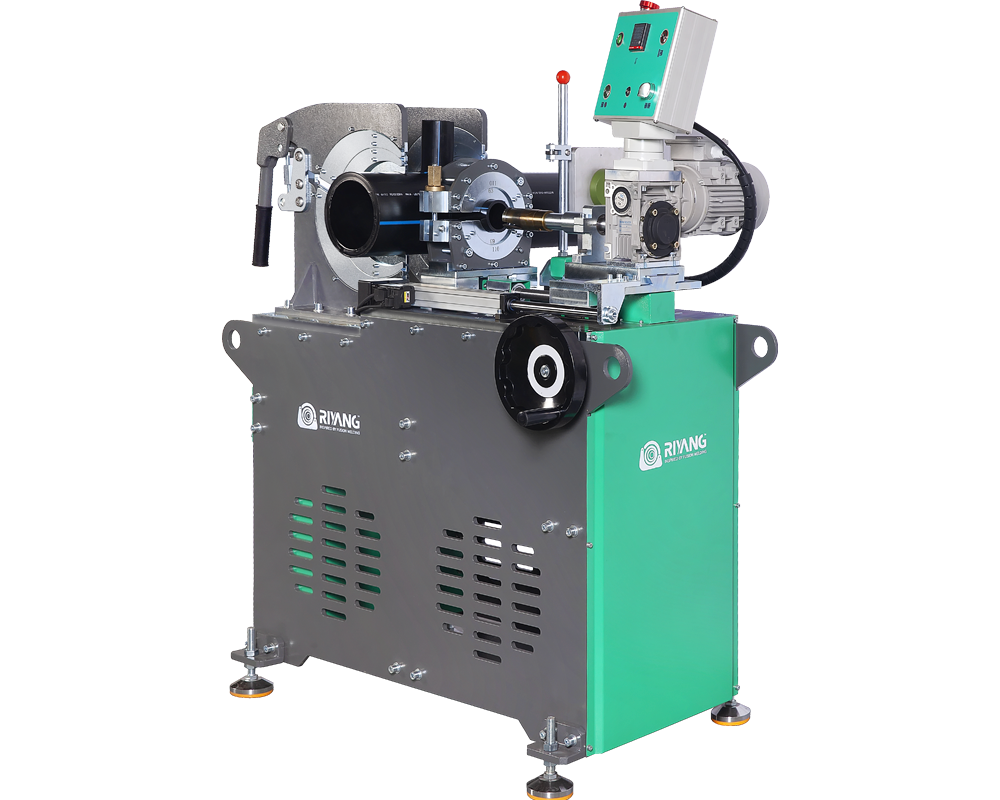
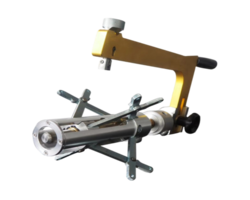
3. Facer or Trimmer
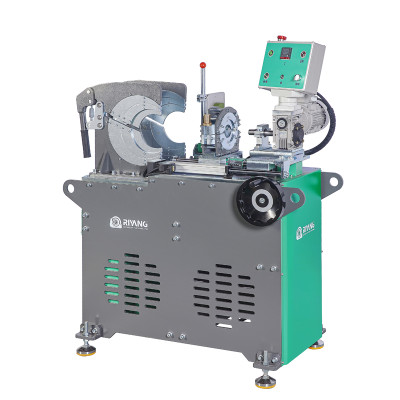
Inspect blades, motor, drive system and power lead. Carry spare blades and the tools needed for replacement. A facer that produces poor surfaces can stop the welding process even though every other system is ready.
4. Hydraulic or Control Unit
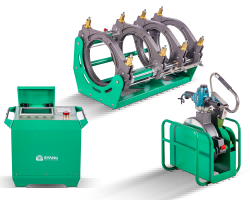
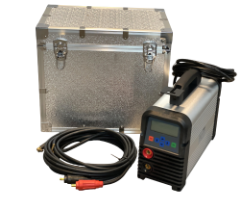
For hydraulic machines, inspect oil level, hoses, couplers, gauge and control valves. Automatic machines also need the correct control box, cables, software/project settings and any operator access credentials.

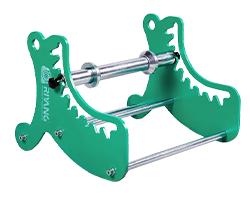
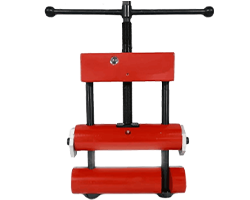
5. Pipe Rollers and Supports
Rollers reduce ground friction, stabilize pipe centerline and can reduce drag pressure. Select them by pipe diameter and load. Large-diameter pipe may require several supports positioned to prevent sagging and side load on the fusion frame.

6. Power Generation and Distribution
Calculate heater, facer, hydraulic and auxiliary loads. Confirm voltage, phase, frequency and connector type. Use cables sized for the load and distance. Include fuel planning, grounding/earthing equipment and weather protection according to local electrical requirements.
7. Cleaning and Preparation Tools
Carry approved lint-free cleaning materials, tools for removing shavings, pipe marking tools and protective caps or covers where appropriate. The objective is to keep prepared fusion surfaces clean without scratching or contaminating them.
8. Measurement and Verification Tools
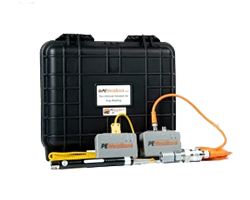
Depending on the project, this can include a calibrated temperature device, pressure verification equipment, timer, measuring tape, alignment tools and inspection gauges. Keep calibration certificates available when the owner or QA plan requires them.
9. Data Logging and Documentation
For traceable projects, prepare operator IDs, project codes, joint numbering, USB storage or network transfer, and a process for backing up records. A data logger is useful only when the crew also maintains disciplined joint identification.
10. Spares and Service Kit
Common field spares can include facer blades, heater consumables, fuses, hydraulic seals, quick couplers, hoses and approved electrical components. Build the kit from the machine manual and project remoteness; carrying every part is unnecessary, but waiting days for a simple wear item is costly.
11. Handling and Safety Equipment
Large fusion machines and pipe require planned lifting and handling. Provide rated lifting equipment, slings and site controls appropriate to the loads. PPE, barriers, hot-surface controls and safe cable/hose routing should be included in the work method.
12. Pre-Mobilization Documentation
Before shipping to site, compile manuals, wiring information, calibration records, welding tables or approved procedure, spare-parts list and technical-support contacts. A short pre-mobilization check can prevent a long delay after the crew arrives.
Build the List Around the Workflow
Treat the twelve categories above as one checklist. The goal is not to carry every possible part, but to make sure a single missing insert, undersized cable or uncalibrated tool cannot stop a pipeline crew.
FAQ
What equipment is needed for HDPE butt fusion?
At minimum, a correctly sized fusion frame, heater, facer, inserts and the required power/control system. Field work usually also needs pipe supports, verification tools, cleaning materials, spares and safety equipment.
Why are pipe rollers important?
They support alignment and reduce friction, which can stabilize drag pressure and make carriage movement more consistent.
Should I carry spare facer blades?
Yes, especially on remote projects. Dull or damaged blades directly affect pipe-end preparation and can stop production.
Closing Summary
Use this checklist to build your project equipment list, then consult the RIYANG selection guide to match the fusion machine and accessories to your pipe range and site conditions. If a setup question comes up in the field, the RIYANG Support FAQ is a useful quick reference.